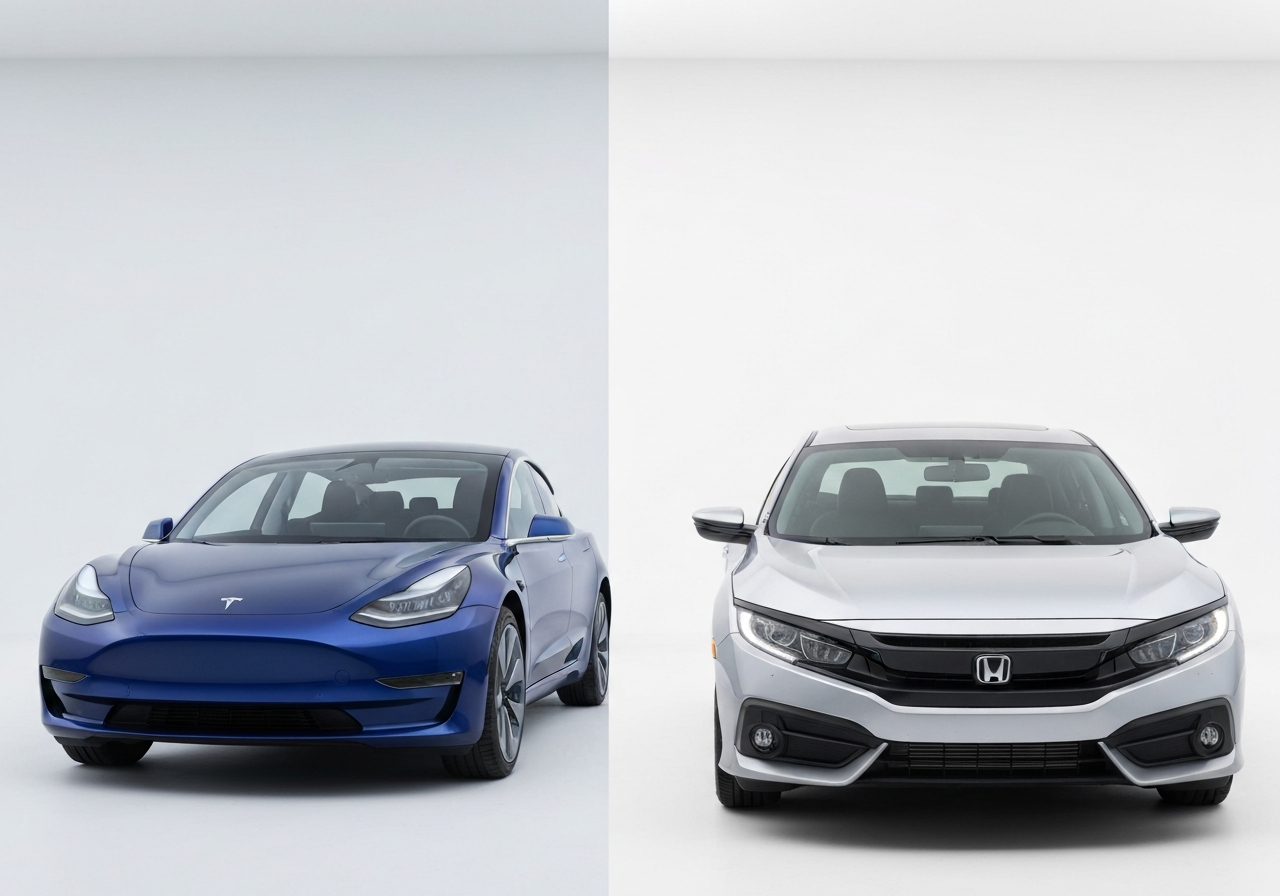
Are electric vehicles really cheaper in the long run? On the used market the question gets more interesting, because the math that makes EVs expensive when new — that steep early depreciation — is exactly what makes them a potential bargain used. But "cheaper" depends heavily on how and where you drive. Here's the honest, used-buyer's breakdown of what a used EV actually costs to own versus a comparable used gas car, so you can decide which one will save you money.
The upfront price: used EVs have fallen fast
New EVs typically cost several thousand dollars more than comparable gas cars, and they've historically depreciated faster, too. For a used buyer, that rapid depreciation is good news: it means you can buy a two-, three-, or four-year-old EV for dramatically less than it cost new — often a bigger discount off the original price than you'd see on a comparable gas car. The premium that stings new buyers becomes your discount. As more EVs have flowed into the used market, prices have come down to where a used EV and a used gas car can land surprisingly close on purchase price.
The tax-credit picture in 2026 (read this carefully)
Here's a fact that trips up a lot of buyers: the federal used EV tax credit is no longer available. The previously-owned clean vehicle credit, worth up to $4,000, expired on September 30, 2025. If you buy a used EV in 2026, you cannot claim that federal credit — so don't let anyone factor a phantom $4,000 into your deal.
What's left is at the state level. A number of states still offer rebates or credits for used EVs, with amounts and rules that vary widely and change often. Before you assume any incentive, check your own state's current program directly. The honest takeaway: budget as if there's no incentive, and treat any state rebate you do qualify for as a bonus.
Fuel vs. electricity: the EV's biggest win — if you charge at home
This is where EVs shine. Charging at home overnight typically costs just a few dollars for a full charge — far less than the equivalent in gasoline, especially when pump prices are high. Over a year of average driving, home charging can save a typical driver well over a thousand dollars compared to fueling a gas car, and those savings compound over the years you own the vehicle. Electricity prices are also generally more stable than gas, which swings with global oil markets.
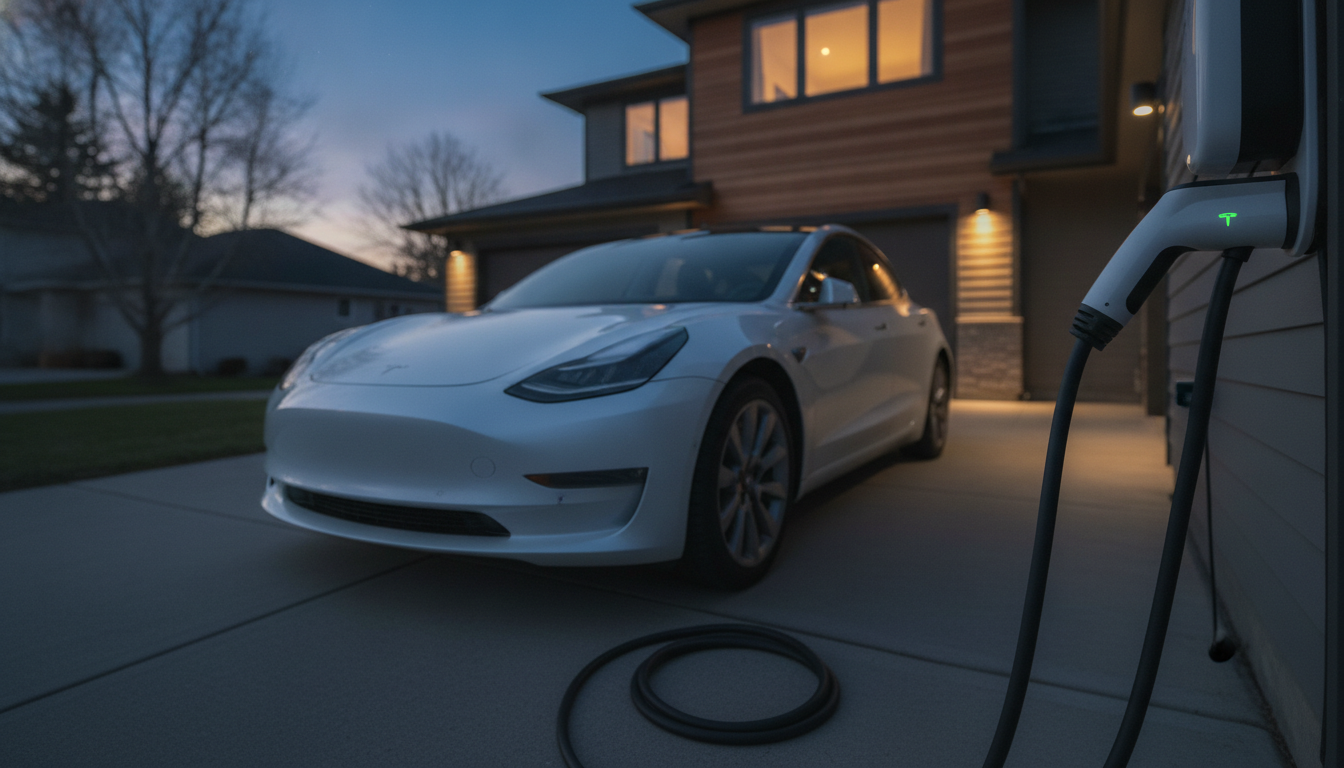
The catch is in that phrase, "at home." Most owners install a Level 2 home charger, which adds an upfront cost of several hundred to over a thousand dollars but then delivers a full battery every night for a few dollars. If you have a driveway or garage and can charge at home, the fuel-cost advantage is real and substantial.
The public-charging catch
If you can't charge at home and rely on public fast chargers, the math changes — sometimes dramatically. DC fast charging at major networks can cost enough per mile to rival, or even exceed, the cost of fueling a gas car. For someone who lives in an apartment with no home charging and depends on public stations, an EV's signature fuel savings can largely evaporate.
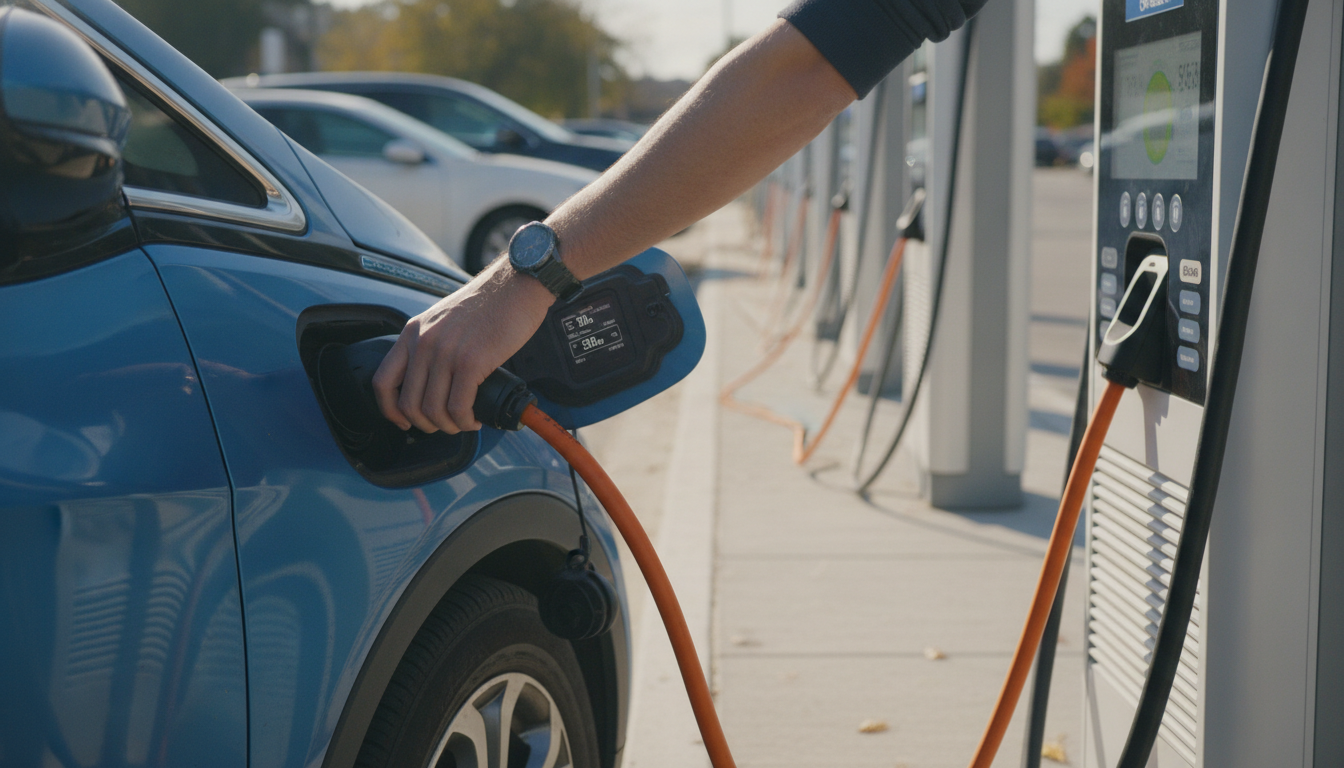
So before you buy a used EV, answer one question honestly: where will this car charge most nights? If the answer is "at home," the EV case is strong. If it's "at public fast chargers," a used gas car or hybrid may well cost you less to run.
Maintenance: the EV's quiet, consistent advantage
Electric cars have far fewer moving parts than gas cars — no oil changes, no spark plugs, no exhaust system, no timing belts. Owners consistently spend meaningfully less on maintenance and repairs than gas-car owners. Regenerative braking even extends brake life, since the motor does much of the slowing. Year after year, a used EV simply asks less of your wallet for upkeep, and that's a genuine, dependable saving regardless of how you charge.
The big used-EV question: battery health
If buying a used gas car is mostly about the engine and transmission, buying a used EV is mostly about the battery. It's the single most expensive component, and it does degrade slowly over time, gradually reducing range. The good news is that modern EV batteries have proven far more durable than early fears suggested, with many holding the large majority of their capacity well past 100,000 miles.
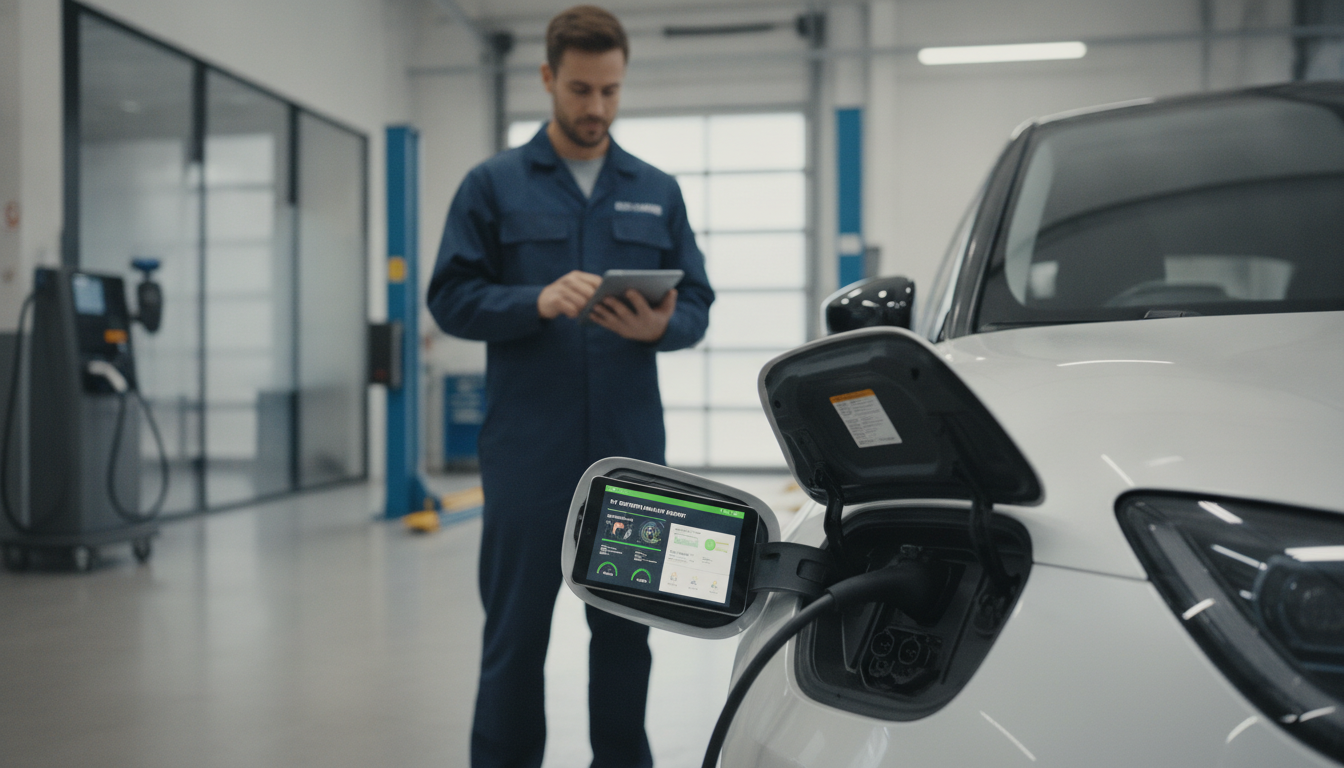
When you shop a used EV, treat the battery like the heart of the deal. Ask for a state-of-health reading, check the current full-charge range against the car's original rating to gauge degradation, and have it assessed during your inspection. A healthy battery is a great used buy; a heavily degraded one facing an out-of-warranty replacement is a money pit. This single check separates a smart used-EV purchase from an expensive mistake.
Battery warranty: how much is left?
EV batteries typically carry a manufacturer warranty of around eight years or 100,000 miles, whichever comes first. On a used EV, what matters is how much of that coverage remains. A used EV still inside its battery warranty offers real peace of mind — if the pack fails or degrades beyond a threshold, it's covered. As you shop, find out the exact warranty terms and the in-service date so you know precisely how much protection comes with the car. Remaining battery warranty can be worth more than any cosmetic feature.
Electric or gas, priced right
We'll find the used car that fits your driving.
Tell us how and where you drive, and we'll send hand-picked used-car deals near you — EV or gas — at prices below the lot.
Get Used-Car DealsDepreciation cuts both ways
The fast depreciation that hands you a used-EV bargain doesn't stop the day you buy. EVs can continue to lose value differently than gas cars, partly because battery technology keeps improving. That's not a reason to avoid them — it's a reason to buy used (letting someone else absorb the worst of it) and to plan to keep the car a good while. The longer you own a used EV and rack up low-cost miles, the more its fuel and maintenance savings outweigh any further depreciation.
Insurance and the other line items
EVs can sometimes cost a bit more to insure than equivalent gas cars, partly because of higher repair costs for battery and electronic components. As with any car, get a quote on the specific vehicle before you buy. Factor it alongside fuel, maintenance, and the home-charger install (if needed) to see the true monthly picture rather than just the purchase price.
Range and your real life
A used EV's usable range — after some battery degradation — has to comfortably cover your real driving. For most people's daily commute and errands, even an older EV has range to spare. The friction shows up on long road trips, where charging stops take longer than a gas fill-up and depend on charger availability. If your life is mostly local with the occasional long haul, a used EV (or a second household car for trips) can work beautifully. If you regularly drive long distances, weigh that honestly.
When a used gas car still makes more sense
Be honest with yourself. A used gas car (or hybrid) is often the smarter buy if you can't charge at home, drive relatively few miles, plan to keep the car only a couple of years, or routinely take long road trips far from reliable charging. In those cases, the EV's savings don't have enough time or favorable conditions to overcome its costs.
When a used EV is the smarter buy
Conversely, a used EV can be the cheaper car to own if you can charge at home, drive a lot of miles, and plan to keep it for years. That combination maximizes the fuel and maintenance savings until they comfortably outweigh the purchase price and depreciation. High-mileage home-charging drivers are exactly who benefit most.
How to find your break-even
The simplest way to decide is to estimate your break-even point. Add up your expected annual fuel savings plus maintenance savings from going electric, then divide the price difference between the EV and a comparable gas car by that yearly figure. The result is roughly how many years you'd need to keep the EV to come out ahead. If that number is well within how long you plan to own the car, the EV makes financial sense. If it's longer than you'll keep it, the gas car wins.
What about a hybrid? The middle path
There's a third option that often gets overlooked, and it deserves a seat at the table: the used hybrid. Hybrids deliver much of the fuel savings of an EV without any of the charging headaches — you fill up at any gas station, never worry about range or chargers, and still sip far less fuel than a conventional gas car. Models like the Toyota Prius have proven exceptionally reliable and long-lived on the used market.
For the buyer who loves the idea of lower running costs but can't charge at home, a used hybrid is frequently the sweet spot: cheaper to buy than an EV, cheaper to fuel than a gas car, and free of range anxiety and charger hunting. If you're torn between a used EV and a used gas car, a used hybrid may quietly beat both for your situation.
A note on your home-charging setup
If you do go electric, understand your charging options before you buy. Level 1 charging uses a standard household outlet and adds range very slowly — fine for low-mileage drivers, frustrating for everyone else. Level 2 charging requires a 240-volt circuit (the kind a dryer uses) and a wall charger, and it refills the battery fully overnight. Installing Level 2 can range from inexpensive to fairly costly depending on your electrical panel and wiring, so get a quote before you commit. Factoring the install into your total cost keeps the EV math honest.
Reliability beyond the battery
It's easy to fixate on the battery, but it's worth remembering how simple the rest of an EV is. With no engine, transmission, fuel system, or exhaust, there are far fewer components that can wear out or fail. Electric motors are remarkably durable, and the everyday gremlins that plague aging gas cars — leaking gaskets, failing water pumps, clogged injectors — simply don't exist. Once you've confirmed a used EV's battery is healthy and its electronics and charging system all work, you're often looking at a mechanically simpler, lower-stress car to own than a comparable gas vehicle of the same age.
The bottom line
There's no universal answer — only the right answer for your situation. A used EV can be genuinely cheaper to own than a used gas car for a home-charging, high-mileage, long-term owner, thanks to low fuel and maintenance costs. For a renter relying on public charging, a low-mileage driver, or a frequent road-tripper, a used gas car or hybrid often wins. Run your own numbers, check the battery health and warranty, and remember the federal used-EV credit is gone. Whichever way you lean, the smart move is the same: buy used, buy a well-kept example, and buy it at the right price — and that's where we can help.
The right car for your math
Get matched with better used-car deals.
Share your name and email and we'll send curated used EV and gas deals near you — real listings, real prices, no lot pressure.
Get Used-Car Deals