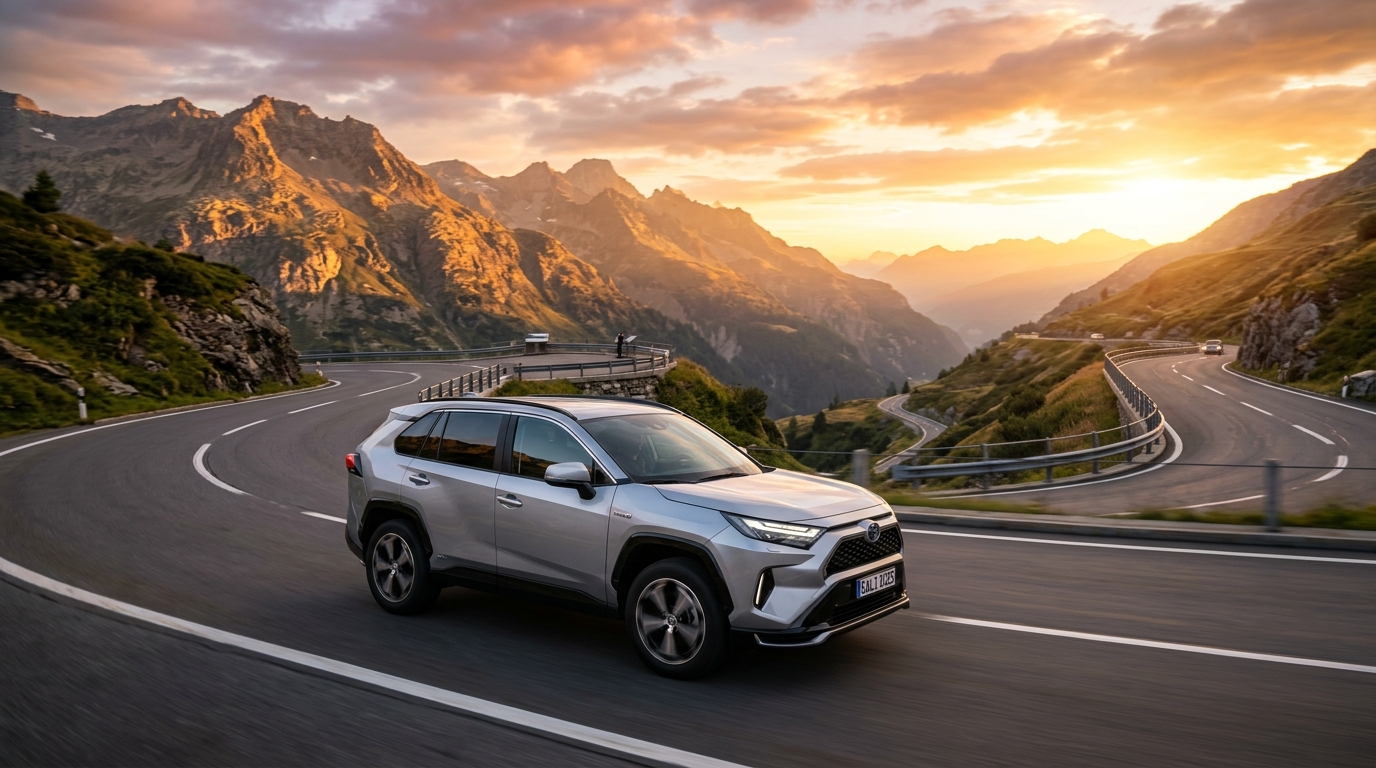
A used SUV can be one of the smartest buys on the road. You let the first owner absorb the steepest depreciation, then drive off with the same space, capability, and safety tech for thousands less. But "used" only beats "new" if you buy the right one, the right way. After years of helping buyers shop the used market, here are the eight things we tell everyone before they set foot on a lot — plus how to inspect, time, finance, and negotiate so you actually walk away with a bargain instead of someone else's problem.
1. Let depreciation work for you — target the 2–4 year-old sweet spot
Depreciation is the single biggest cost of owning a new vehicle, and it's almost invisible because you never write a check for it. A new SUV can lose 20–30% of its value the moment it leaves the dealership and roughly half its value within three years. That's brutal if you bought it new — and a gift if you're buying used.
The 2–4 year-old window is where the math turns decisively in your favor. By then the SUV has already taken its biggest depreciation hit, but it still has most of its useful life ahead of it, the same modern safety and infotainment features as a current model, and often some factory warranty remaining. You get roughly 90% of the car for 60–70% of the price. That gap is the bargain — and it's exactly the kind of value we hunt for our readers every week.
If you want to stretch your dollar even further, look at the previous generation of a popular model. The moment a model gets redesigned, the outgoing version's used prices soften, even though it's the same reliable vehicle that earned the reputation in the first place. Patience and flexibility on model year are two of the cheapest upgrades you can give your budget.
2. Decide what you actually need before you fall in love
Two rows or three? Daily commuter or weekend hauler? All-wheel drive for snow and dirt roads, or front-wheel drive to save on fuel and maintenance? Cargo space for a growing family and a dog, or maximum fuel economy for a long highway commute? Write your non-negotiables down before you start browsing, and be honest about the difference between what you need and what would simply be nice.
The used market is enormous, and the buyers who overpay are almost always the ones who got emotionally attached to one shiny listing instead of comparing the dozen similar ones nearby. A clear needs list keeps you objective — and objective buyers get better prices. It also protects you from paying for capability you'll never use, like a heavy-duty tow package on a vehicle that will only ever haul groceries.
3. Reliability beats badge — research the exact model year
Used cars are bought one VIN at a time, and reliability can swing hard from one model year to the next. A nameplate with a great reputation can have one or two problem years buried in its history — a troublesome transmission, an infotainment system that ages badly, an engine that develops an oil-consumption habit at higher mileage.
Before you shortlist anything, look up the exact year and trim for known issues, common owner complaints, and open recalls. Owner forums and reliability ratings are gold here: real people will tell you precisely which years to chase and which to avoid. A "boring" SUV with a spotless reliability record will cost you far less over five years than a flashier one with a known weak spot. On the used market, reliability is the real luxury feature.
4. Always pull the vehicle history report
A vehicle history report, run by VIN, reveals reported accidents, title problems (salvage, flood, rebuilt), odometer inconsistencies, service records, and how many owners a vehicle has had. A clean report isn't an ironclad guarantee — not every fender-bender gets reported — but a dirty one is an instant deal-breaker.
Pay special attention to the number of owners and the gaps between them. A one- or two-owner SUV with a steady service history is usually a safer bet than one that's changed hands five times in four years. Never take "no accidents, runs great" at face value. Verify it. A single salvage title or a suspicious mileage gap can wipe out thousands in resale value down the road, and you want to know before you sign, not after.
Skip the lot markup
Let us hunt the used SUV deals for you.
Tell us what you're after and we'll send hand-picked used-car deals in your area — often priced below what the dealership is asking.
Get Used-Car Deals5. Get an independent pre-purchase inspection
This is the single best $100–$200 you can spend when buying any used vehicle. An independent mechanic — yours, not the seller's — puts the SUV on a lift and checks the frame, suspension, brakes, fluids, tires, and engine for problems you'll never catch in a test drive. They'll spot leaking seals, uneven tire wear that hints at alignment or frame issues, rust where it matters, and the tell-tale signs of past collision repair.
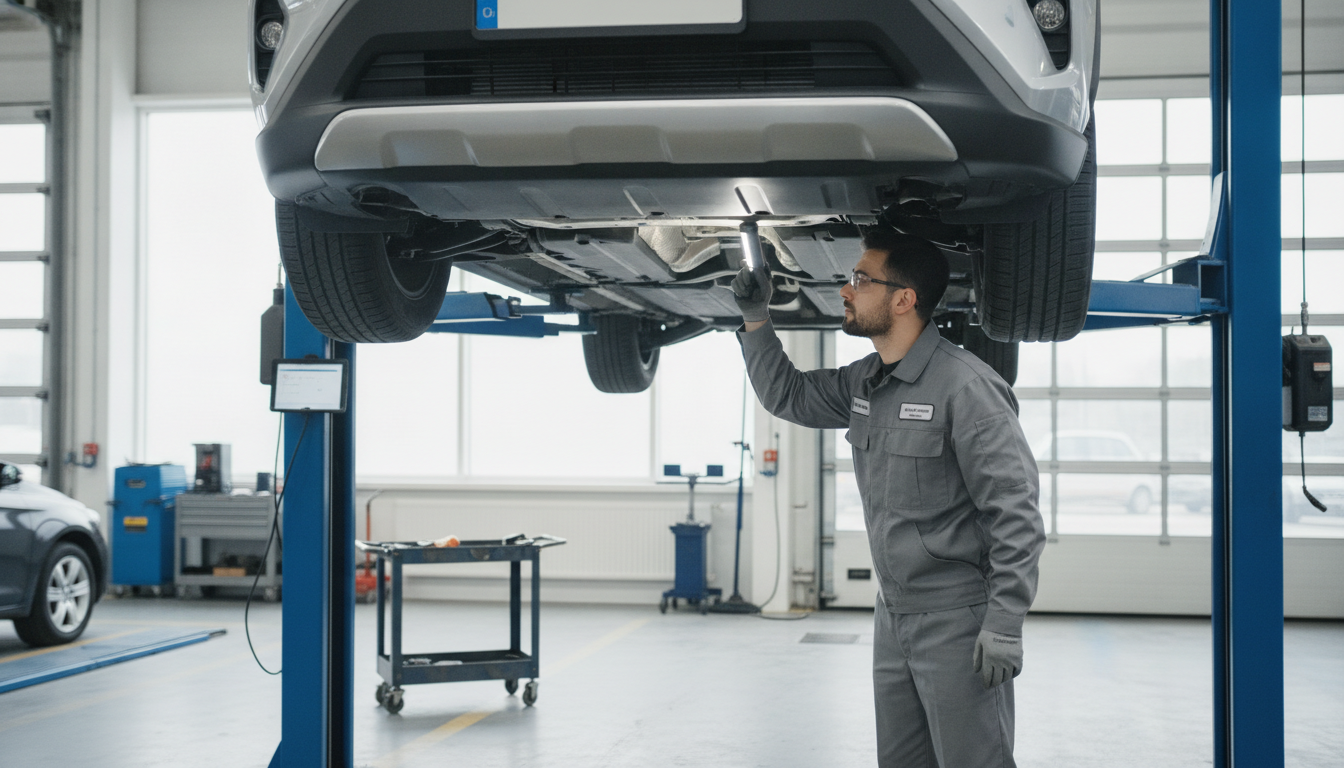
If a seller won't allow an inspection, treat that as your answer and walk away. On a used vehicle, an inspection routinely pays for itself: either it uncovers issues you can negotiate against — "the brakes need doing, that's $600 off" — or it confirms you're getting a clean car and lets you buy with genuine confidence. Either outcome is worth far more than the inspection fee.
6. Test drive like you're trying to find problems
Drive it cold if you can — a freshly warmed-up engine can hide a rough or hard start. Then take it somewhere you can really exercise it: highway speeds, rough pavement, a few tight turns, and a full stop from speed. A quick loop around the block tells you almost nothing; you want at least 20 minutes.
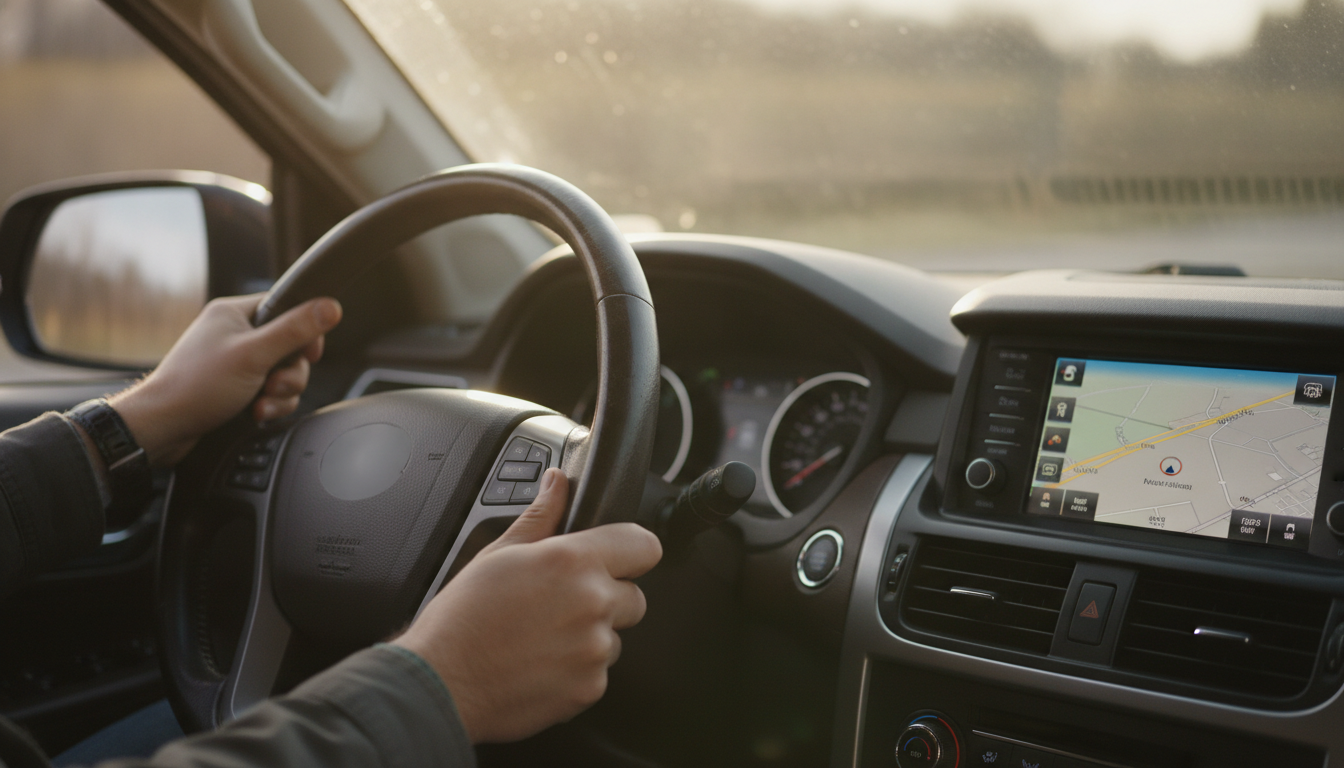
Listen for clunks over bumps (worn suspension), feel for shudders or pulling when braking (warped rotors or alignment), and watch the dash for warning lights. Make sure the all-wheel drive engages smoothly, the climate control blows genuinely cold and hot, and every camera, screen, USB port, and driver-assist feature actually works. Turn the radio off for a few minutes so you can hear the drivetrain. Five focused minutes of listening can save you thousands later.
7. Know the market price — then negotiate from data, not feelings
Before you talk numbers, look up what the same year, trim, and mileage is actually selling for in your region, and make that your anchor. Pull up two or three comparable listings and bring them to the conversation, screenshots and all.
The asking price is a starting point, not a fact. A private seller or a dealer who can see you've done your homework is far more likely to move — especially on a vehicle that's been sitting on the lot racking up carrying costs. Negotiate the total out-the-door price, not the monthly payment; a low monthly number can hide a stretched loan term and a high price. And keep the most powerful tool in your pocket ready at all times: a genuine willingness to walk away. That single move closes more bargains than any clever line.
8. Factor in the total cost of ownership, not just the sticker
The cheapest SUV to buy is not always the cheapest to own. Insurance premiums, fuel economy, tire size and price, parts availability, and typical repair costs vary widely between models. A slightly pricier but thriftier, more reliable SUV can easily beat a "cheap" gas-guzzler with expensive parts within a year or two.
Before you sign, estimate the real five-year picture: fuel, insurance, routine maintenance, tires, and likely repairs. Premium-brand SUVs in particular can carry a tempting used price and then surprise you with luxury-tier parts and labor bills. The bargain isn't the lowest price tag — it's the lowest cost to own over the years you'll actually keep it.
Mileage vs. age — which one matters more?
Both matter, but how the miles were put on matters most. A higher-mileage SUV that lived on the highway with diligent, documented maintenance can be a better buy than a low-mileage one that sat unused or did nothing but short stop-and-go city trips, which are hard on engines and brakes. As a rough benchmark, around 12,000 miles per year is "average" — use that to judge whether a vehicle is high or low mileage for its age. Service records that prove consistent care will tell you more than the odometer alone ever can.
Where to actually find the best used SUV deals
You have more sources than ever: franchise dealer lots, independent used lots, online marketplaces, manufacturer certified pre-owned inventory, and private sellers. Each has a trade-off between price and protection. Casting a wide net across several at once is how you find the genuine outliers — the well-kept vehicle priced under market because the seller needs it gone. That hunting is time-consuming to do alone, which is exactly why letting a service surface vetted deals in your area can save you both money and weeks of scrolling.
Timing: the best time to buy a used SUV
Timing won't make or break a deal, but it can tilt it your way. Salespeople and lots often work to monthly, quarterly, and annual targets, so the end of the month and especially the end of the year can bring extra flexibility. Model-year changeover is another window — when new inventory arrives, last year's used stock gets more negotiable. And a vehicle that's been listed for a long time is a motivated seller waiting to happen. None of this beats buying the right car, but combined with everything above, good timing is free leverage.
Certified pre-owned vs. private seller: which is the better deal?
You'll generally choose between three lanes. Certified pre-owned (CPO) vehicles cost the most but come inspected, reconditioned, and backed by a manufacturer-extended warranty — the lowest-risk option. A regular dealer used car sits in the middle on price and protection. A private-party sale is usually the cheapest, but you take on all the risk yourself — which is exactly why tips 4 and 5 (history report and independent inspection) matter most there.
There's no single right answer. If peace of mind is worth a premium to you, CPO is hard to beat, particularly on a more complex or premium SUV. If you're confident inspecting and negotiating, a private sale leaves the most money in your pocket. Match the lane to your appetite for risk and your willingness to do the legwork.
Get your financing sorted before you shop
Walk in pre-approved. Getting a loan quote from your own bank or credit union before you visit a lot does two things: it tells you exactly what you can afford, and it gives you leverage. Dealer financing can be competitive — sometimes genuinely the best rate available — but you'll only know if you have an outside offer to compare it against. Pre-approval also keeps you focused on the out-the-door price instead of getting talked into a bigger, longer-term monthly payment than you planned. Shorter loan terms cost more per month but far less in total interest, so don't let a low payment quietly add years and dollars to your loan.
Red flags: when to just walk away
- The seller won't allow an independent inspection.
- The price is dramatically below market with no clear explanation.
- The title isn't in the seller's name, or there's a salvage/rebuilt/flood brand.
- Mismatched panel paint, fresh undercoating hiding rust, or signs of a covered-up repair.
- Warning lights on the dash the seller "just needs to reset."
- A musty, mildewy interior smell — a possible sign of past flooding or a leak.
- Pressure to decide right now, to wire a deposit, or to skip the paperwork.
Any one of these is reason enough to keep looking. There is always another SUV — and patience is what separates the buyers who get a bargain from the ones who get burned.
The bottom line
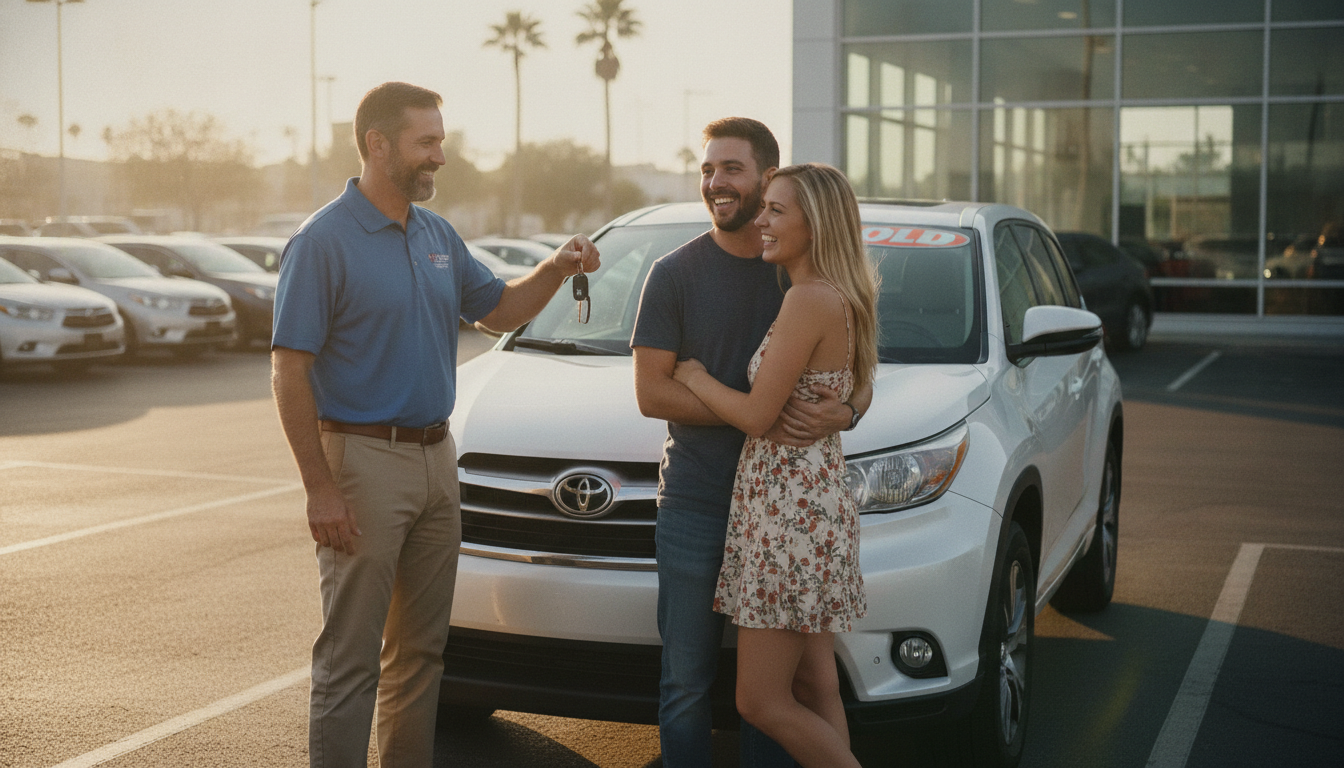
Buying a used SUV well comes down to discipline: know what you need, verify everything, inspect before you buy, time it when you can, line up your financing, and negotiate from data. Do that and you'll land a vehicle that's just as capable as a new one — for thousands less. The used market rewards patient, informed buyers and quietly overcharges everyone else. And the best part is, you don't have to do the hunting alone.
Your next SUV, for less
Get matched with better used-car deals.
Drop us your email and we'll send curated used SUV deals near you — vetted listings, real prices, no lot pressure.
Get Used-Car Deals