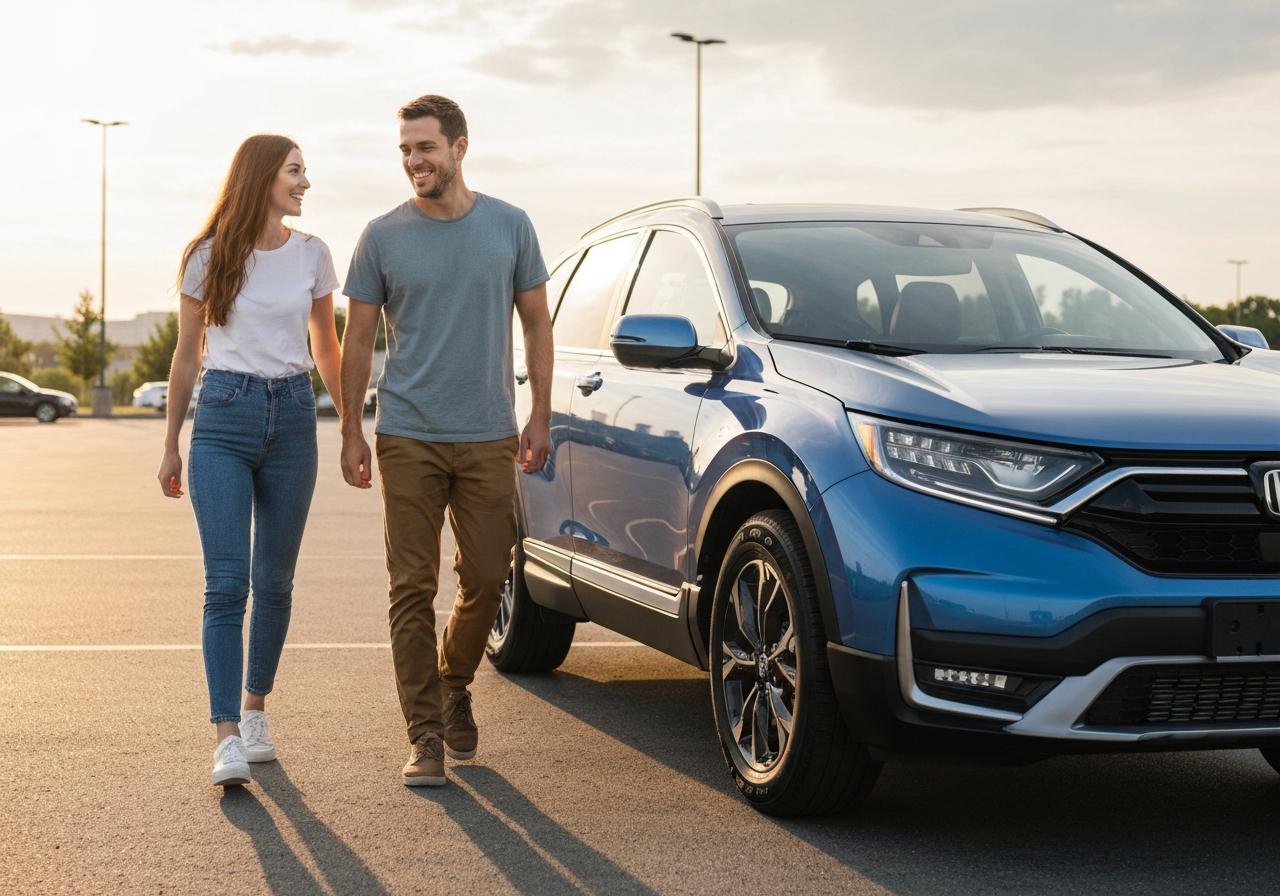
Buying a car is a big decision and, for a lot of people, a slightly scary one. Maybe you see a car as just a way to get from point A to point B. Maybe you want something that makes the drive genuinely enjoyable. Either way, the most expensive mistake isn't buying the wrong brand — it's buying a car that doesn't fit your life. The good news: the used market is so deep that whatever your lifestyle, there's a well-kept vehicle that fits it perfectly, at a price that leaves money in your pocket. Here's how to find it.
Start with how you actually live, not what looks good
Before you fall for a listing, map out an honest week of your driving. How far is your commute, and in what kind of traffic? How many people do you carry, and how often? What do you haul — kids, dogs, gear, tools, groceries? Where do you park? What's the weather like where you live? The answers to those plain questions matter far more than horsepower figures or a sharp paint color.
Most buyers shop emotionally and then rationalize. Flip the order. Define the job first, then find the vehicle that does it. When you buy used, this discipline pays double, because you can target the exact category that fits your life and let depreciation hand you a better example for the money.
The daily commuter: comfort and efficiency win
If your car's main job is getting you to work and back, prioritize the things you'll feel every single day: good fuel economy, a comfortable seat, low noise, and easy-to-use tech. A used compact or midsize sedan, hybrid, or small hatchback is often the sweet spot — cheap to buy, cheap to run, and reliable enough to start every cold morning without drama.
Resist the urge to over-buy. A big SUV you drive solo through stop-and-go traffic burns money in fuel and tires for capability you never use. For a commuter, a thrifty used hybrid can quietly save thousands over the years you own it.
The growing family: space, safety, and sanity
Families need room, and not just for people — for car seats, strollers, sports gear, and the chaos of daily life. A used midsize or three-row SUV, a wagon, or (don't laugh) a minivan can be the difference between a relaxed school run and a daily wrestling match. Minivans in particular are wildly practical and often underpriced used, precisely because they aren't fashionable.
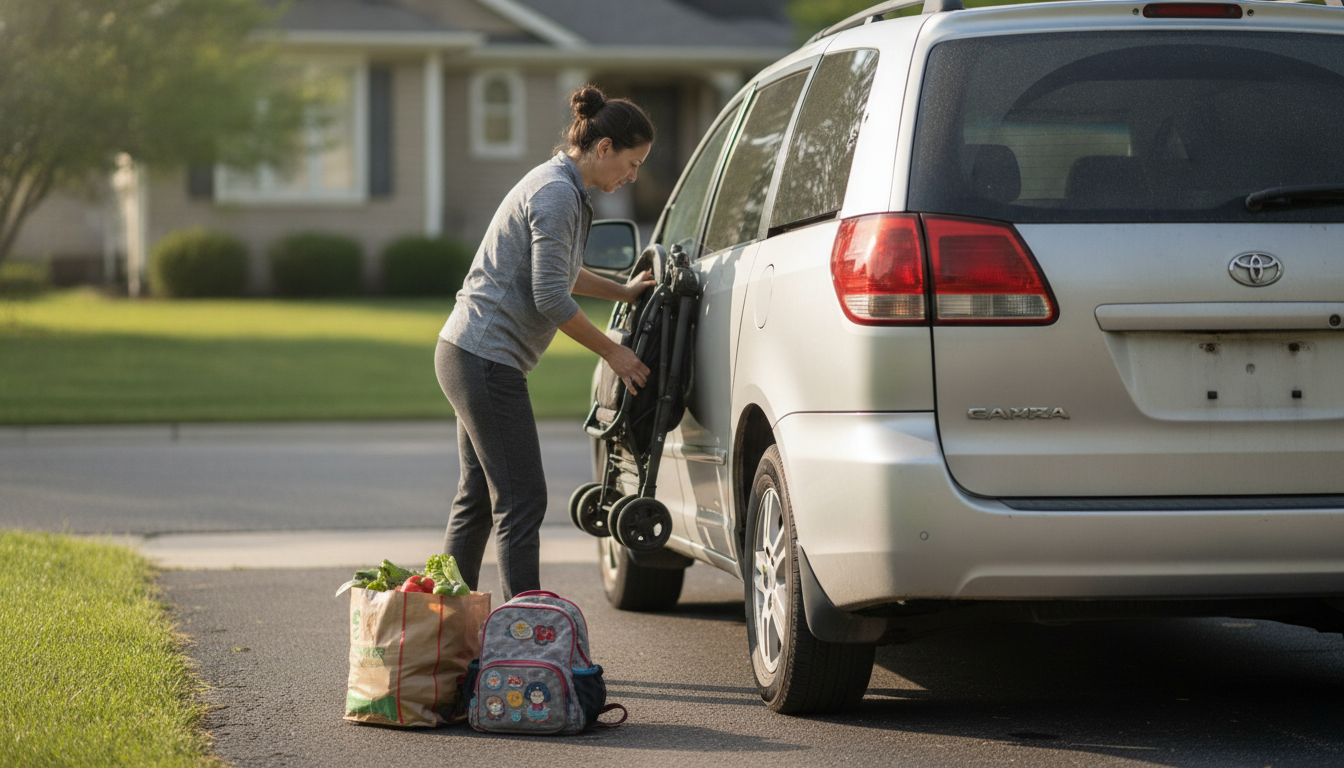
If you have small children, physically test how easily car seats install and how comfortably you can reach into the back. Check the cargo space with your actual stroller. Prioritize a strong safety record and modern driver-assist features — on the used market you can now find blind-spot monitoring, automatic emergency braking, and rear cameras at family-friendly prices. Space and safety are where you should spend; flash is where you can save.
The weekend adventurer: capability that earns its keep
If your free time involves trailheads, ski hills, campsites, or dirt roads, you'll want all-wheel drive, useful ground clearance, and a cargo area (or roof rack) that swallows gear. Used rugged wagons and midsize SUVs are perfect here — and because outdoorsy buyers keep these vehicles for years, there's a healthy used supply.
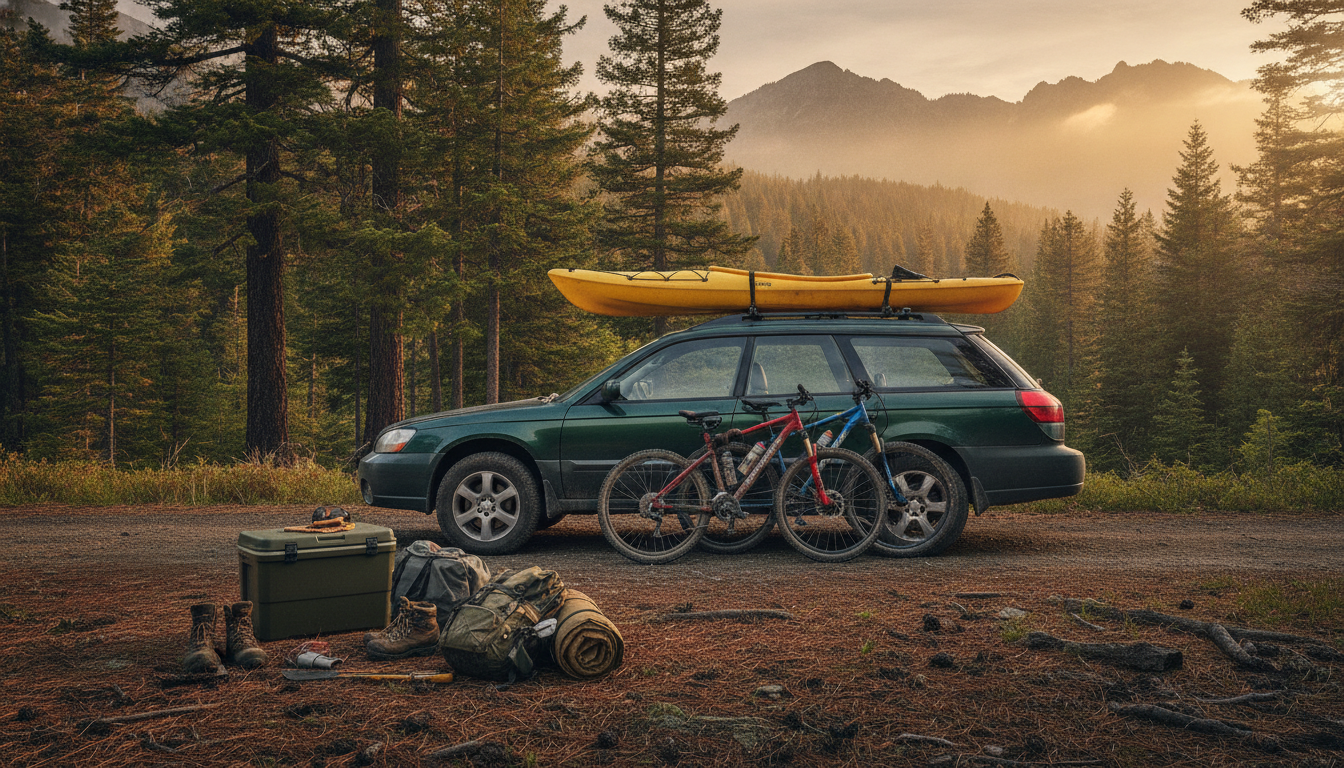
Be honest about how much capability you truly need. A serious off-road truck is overkill — and thirsty — if your "adventures" are paved campgrounds and gravel parking lots. A used all-wheel-drive crossover often delivers everything a weekend warrior actually uses, for far less to buy and run than a hardcore off-roader.
The city dweller: small, nimble, and easy to park
In a dense city, the best car is often the smallest one that meets your needs. A compact used hatchback or subcompact is easier to squeeze into tight spots, cheaper to insure, gentler on fuel, and less of a target for the bumps and scrapes of street parking. A tight turning circle and good visibility are worth more in a city than any amount of horsepower.
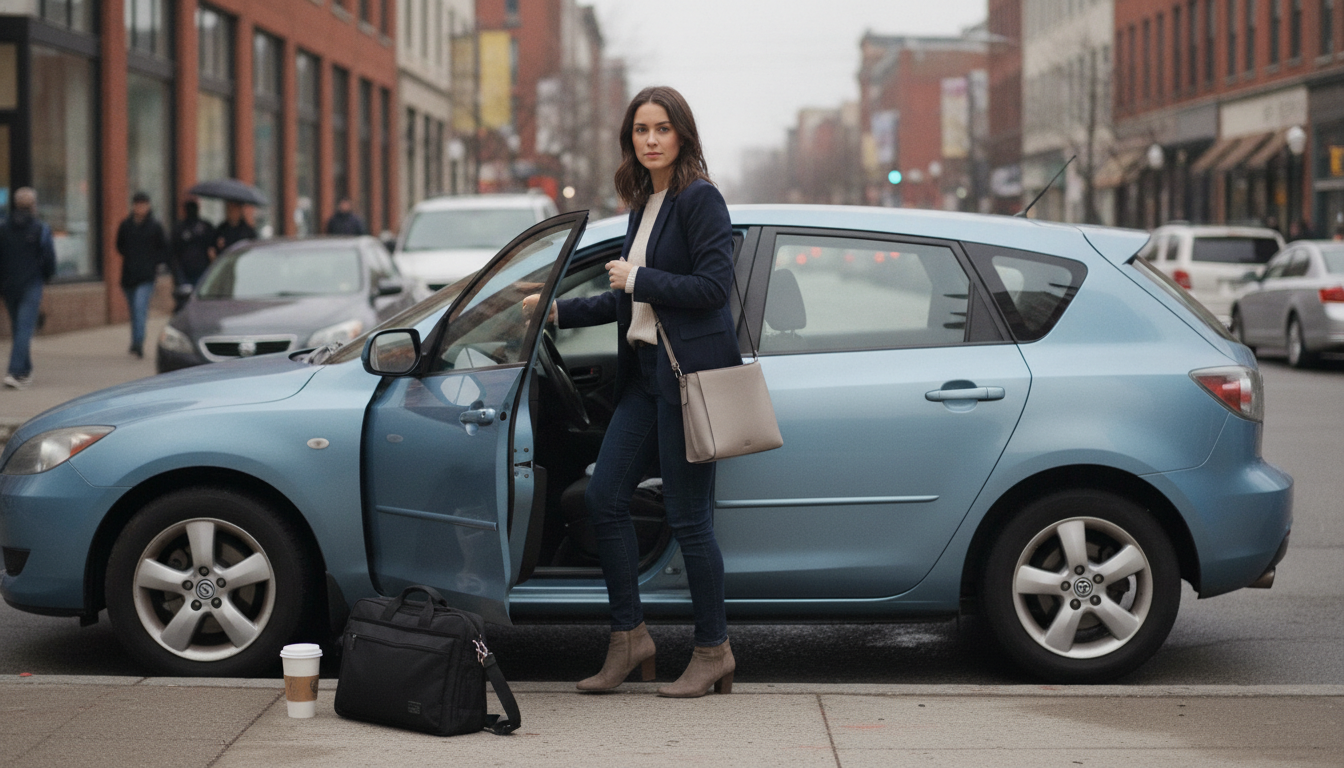
If you only occasionally need more space, it's far cheaper to rent a bigger vehicle for those weekends than to buy and feed a large car you'll curse every time you parallel park. Buy for your 95% of trips, not your rare exceptions.
The first-time buyer or student: keep it cheap to own
If this is your first car or you're on a tight budget, the goal is low total cost: affordable to buy, cheap to insure, easy and inexpensive to repair, and reliable enough that it won't strand you. A used compact from a brand known for dependability, with common, affordable parts, is the classic smart first car. Skip the turbocharged, leather-lined trim that costs more to insure and fix; a sensible, reliable used car will teach you good habits and protect your wallet.
The long-distance driver: comfort and reliability above all
If you rack up serious highway miles, prioritize a quiet, comfortable cabin, strong fuel economy, supportive seats, and a rock-solid reliability record. Highway miles are actually the gentlest kind on a car, so a higher-mileage used vehicle with a documented service history and a reputation for going the distance can be a genuine bargain for a road warrior.
Match the body style to the life — not the trend
It helps to think in body styles before badges. Sedans are comfortable, efficient, and often underpriced used as buyers chase SUVs. Hatchbacks add cargo flexibility in a small footprint. Crossovers and SUVs give you height, space, and available AWD. Minivans are the practicality champions for families. Pickups make sense if you genuinely haul or tow. Pick the shape that fits your life, and you instantly narrow a huge market down to a shoppable shortlist.
The right car, the right price
Tell us your lifestyle — we'll find the used car that fits.
Share a few details and we'll send hand-picked used-car deals near you that match how you actually live, often priced below the lot.
Get Used-Car DealsWhy used is the smart play for every lifestyle
Whatever category fits you, buying used stretches your budget further than buying new. Because a new vehicle sheds the bulk of its value in its first few years, a lightly used example of the very car you want often costs thousands less while offering nearly all the same capability, safety, and tech. That gap is the whole point: used lets you buy up within your category — a nicer trim, more space, better safety features — for the same money you'd spend on a stripped-down new model.
Be ruthlessly honest about needs vs. wants
Almost everyone overestimates how often they'll use a vehicle's maximum capability. The three-row SUV bought "just in case" the family grows. The truck bed used twice a year. The sports trim that doubles the insurance bill. List your true, recurring needs in one column and your nice-to-haves in another, then buy for the first column. The money you save by not paying for capability you rarely use is the easiest discount in car buying.
Your running costs have to fit your life too
A car that fits your lifestyle on day one can still wreck your budget if it doesn't fit your finances over time. Before you commit, get an insurance quote on the specific vehicle, estimate the fuel cost for your real mileage, and factor in parking, tolls, and typical maintenance. A modest, efficient used car that fits comfortably in your monthly budget beats a flashier one that leaves you stretched every month.
Think about the next few years, not just today
Buy for the life you'll be living for the next chunk of time you'll own the car, not just this week. Planning a family? A baby changes your space needs fast. Moving to a snowy region? AWD suddenly matters. Starting a job with a long commute? Fuel economy moves up the list. A little foresight keeps you from outgrowing your car in a year — and the used market's value makes it easier to choose with the near future in mind.
Test it against your actual routine
The final step is to test-drive the car against your real life, not a generic loop around the dealership. Drive your commute if you can. Bring the car seats and install them. Load your stroller, your bike, or your gear into the cargo area. Park it where you normally park. Make sure your tallest passenger fits in the back. A car can look perfect on paper and still fail the test of your driveway, your garage, and your daily drive — so put it through that test before you sign.
Don't overlook resale value
The day you buy a used car, you should already be thinking about the day you'll sell it. Some vehicles hold their value far better than others, and that resale strength becomes real money when your life changes and you move on. Models with strong reliability reputations, sensible colors, and broad appeal tend to sell quickly and for more. A quirky color, an unloved brand, or a niche body style might be cheaper to buy — but it can be slow and costly to sell later. Buying a car that fits your lifestyle and stays desirable means the next chapter, whenever it comes, costs you less.
Comfort and convenience features worth prioritizing by life stage
Once you've nailed the category, let your life stage guide which extras are worth paying a little more for on the used market. Commuters benefit most from adaptive cruise control, heated seats, and good smartphone integration. Families get real value from a rear camera, rear climate vents, easy-clean upholstery, and one-touch sliding doors. Adventurers want a roof rack, all-weather floor liners, and a powered tailgate for muddy hands. City drivers love parking sensors and a tight turning circle. The trick is to spend on the conveniences you'll touch daily and skip the ones that just inflate the price — used pricing lets you be choosy.
Remember who else will drive it
A car rarely belongs to just one person's routine. If a partner, a teen, or aging parents will share the wheel, factor in their comfort and confidence too — visibility, ease of parking, seat adjustability, and how intuitive the controls are. A vehicle that only fits one driver's life perfectly but intimidates everyone else in the household isn't the bargain it looks like. The best used buy is one the whole household can live with.
The bottom line
The best used car for you isn't the one with the most features or the lowest price — it's the one that fits how you actually live, comfortably within your budget, for the years you'll own it. Define the job first, shop the category that fits, stay honest about needs versus wants, and let the used market hand you more car for your money. Do that, and you'll end up with a vehicle that quietly makes your everyday life easier — which is the whole point.
The buyers who regret their purchase are almost always the ones who chased a feeling, a deal, or a trend instead of matching the car to their daily reality. The buyers who love their car for years are the ones who started with their own life and worked backward to the vehicle. Be the second kind — and you don't have to find that car alone.
Made to fit your life
Get matched with used cars built for your lifestyle.
Tell us what you need and we'll send curated used-car deals near you — the right fit, the right price, no lot pressure.
Get Used-Car Deals