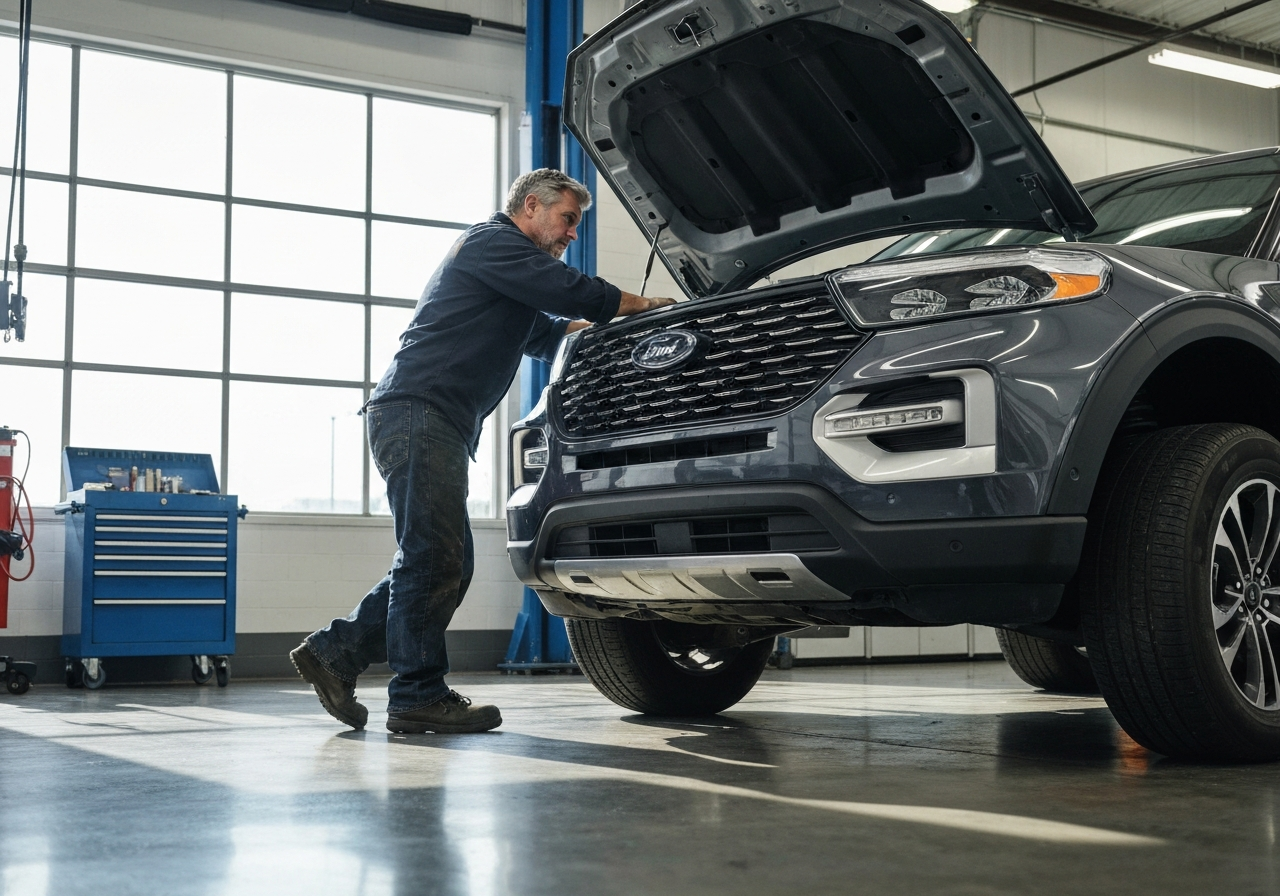
Proactive care is the difference between a used car that runs reliably for years and one that nickel-and-dimes you into the poorhouse. The good news is that keeping a used car healthy isn't complicated or expensive — it's about a handful of simple habits done consistently. Most big, costly breakdowns are just small, ignored problems that grew up. Stay ahead of them with these seven essentials, and your used car will reward you with fewer headaches, better safety, and a higher resale value when it's time to move on.
Why maintenance matters even more on a used car
When you buy used, you inherit someone else's habits — good or bad. You don't always know how diligently the previous owner cared for the car, which makes establishing your own routine from day one all the more important. A used car that's well maintained from the moment you own it can easily outlast a newer car that's neglected.
There's a financial angle too. Consistent maintenance protects the one thing that's hardest to fix once it's gone: reliability. And when you eventually sell, a folder full of service records is one of the most persuasive things you can show a buyer. Maintenance isn't an expense so much as an investment that pays you back in dependability and resale value.
1. Keep up with oil changes
Engine oil is the lifeblood of your car. It lubricates, cools, and cleans the engine's moving parts, and it breaks down over time and miles. Skipping or stretching oil changes is one of the fastest ways to wear out an engine prematurely — and an engine is the most expensive thing on the car to replace.
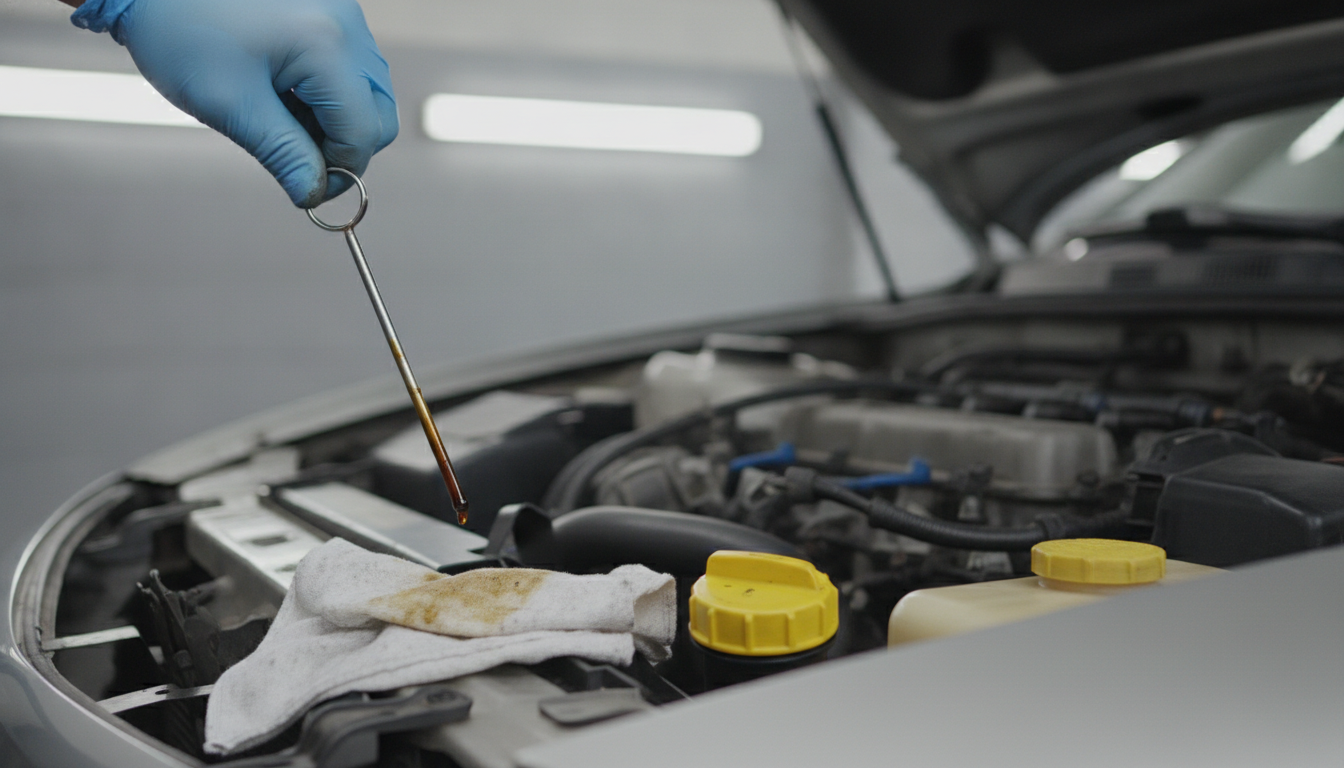
Follow the interval in your owner's manual, and use the oil type it specifies. Between changes, get in the habit of checking the level with the dipstick once a month and before long trips — top it up if it's low, and watch for oil that's burning off or leaking, which can signal a problem worth investigating early. On an older used car especially, a few minutes with the dipstick can save you thousands.
2. Take care of your tires
Tires are your only contact with the road, so they're a safety item first and a maintenance item second. Check the air pressure at least once a month and before long drives, since correct pressure improves handling, braking, fuel economy, and tire life — and your car's recommended pressure is printed on a sticker inside the driver's door jamb.
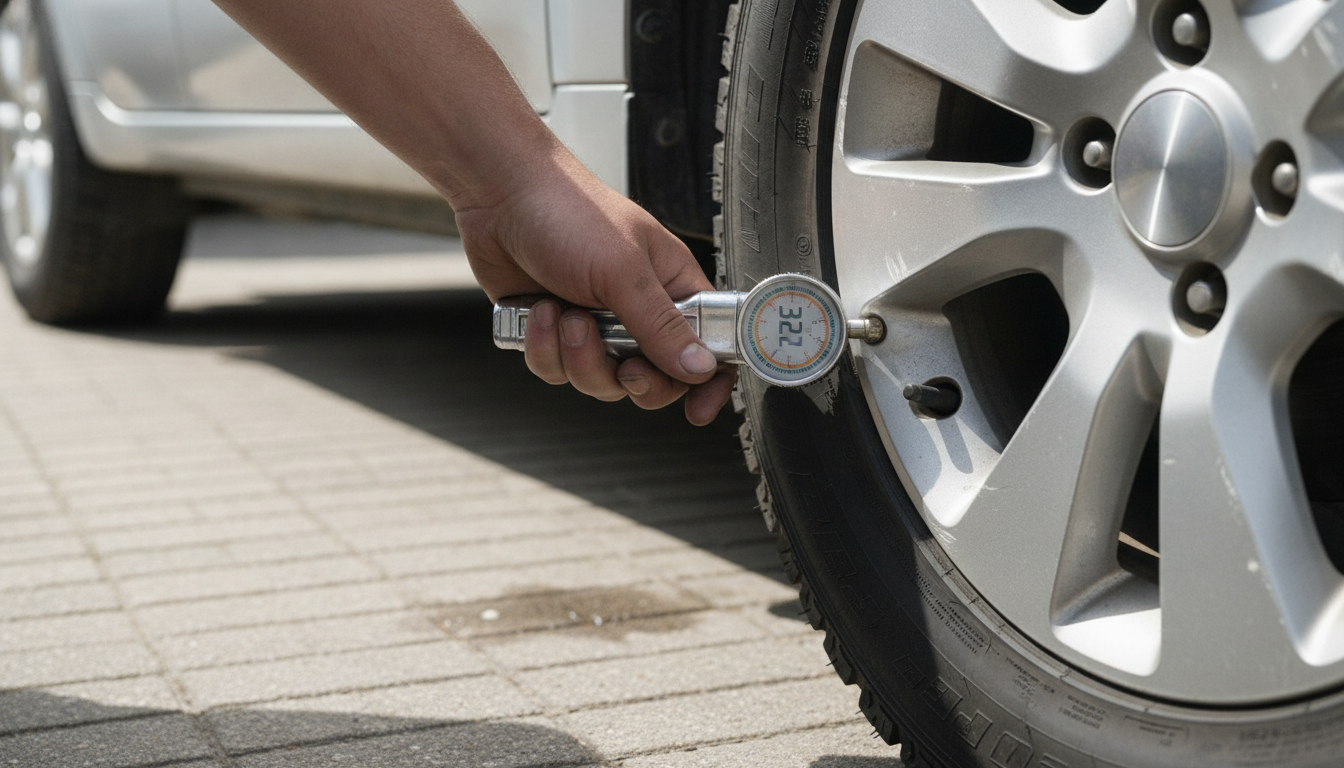
Inspect the tread regularly for wear and check that it's wearing evenly — uneven wear can point to alignment or suspension issues. Rotate your tires at the recommended interval to spread the wear, and replace them before the tread gets dangerously low. Worn tires lengthen your stopping distance and turn rain into a real hazard, so don't push them past their useful life.
3. Stay on top of all the fluids
Oil gets the attention, but your car relies on several other fluids that need checking and occasional changing: engine coolant (antifreeze), brake fluid, transmission fluid, power-steering fluid, and windshield washer fluid. Each plays a role in keeping the car running safely, and letting any of them run low or go bad can lead to overheating, poor shifting, or failing brakes.
Get familiar with where these reservoirs live under the hood and what the correct levels look like. Many have minimum and maximum marks you can read at a glance. If you ever spot a puddle under the car, identify the fluid by color and location and address the leak promptly — small leaks become big, expensive ones if ignored.
4. Don't neglect the brakes
Few systems matter more for safety than your brakes, and they wear with every mile. Brake pads gradually thin out and rotors wear down, and catching that wear early keeps a cheap pad replacement from becoming an expensive rotor or caliper job.
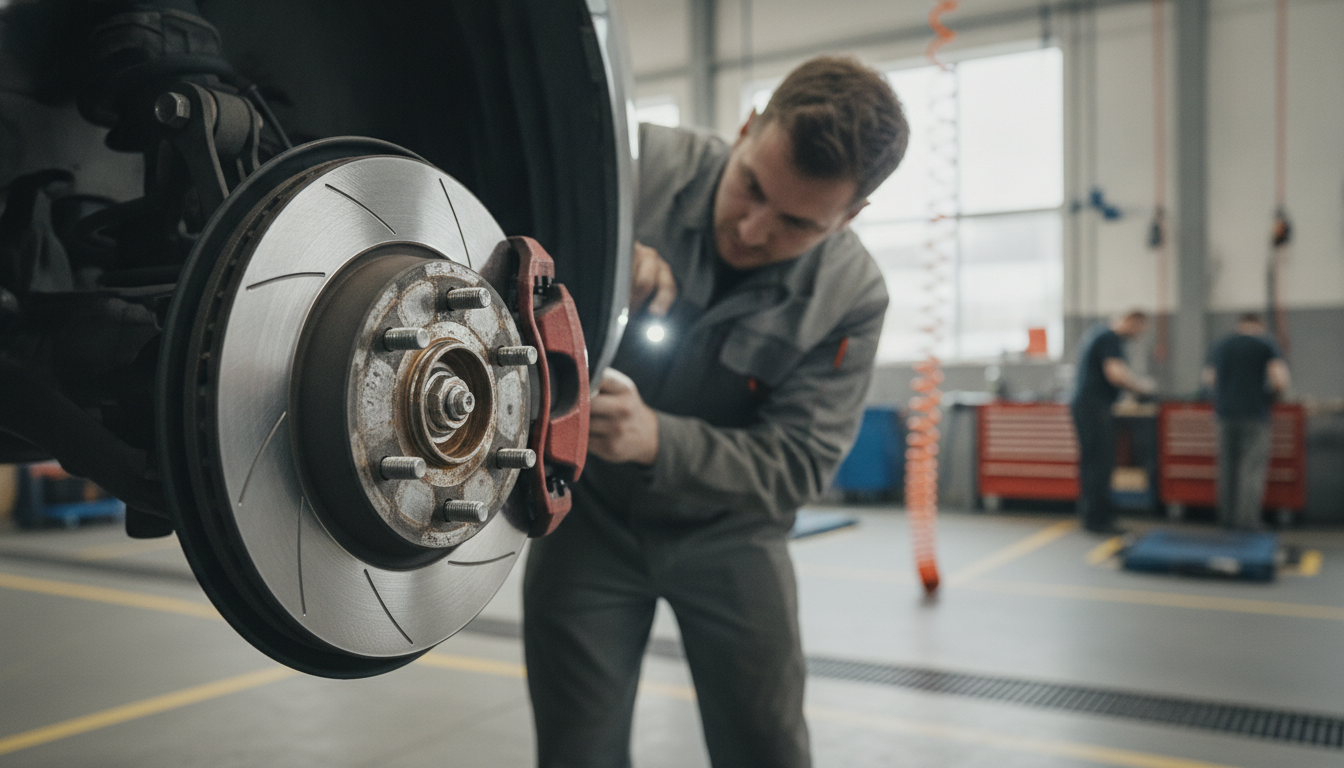
Pay attention to the warning signs: squealing or grinding noises, a brake pedal that feels soft or pulses, longer stopping distances, or the car pulling to one side when you brake. Any of these means it's time to have the brakes inspected. On a used car with unknown brake history, it's worth having them checked early so you know exactly what you're working with.
5. Replace your filters
Your car has filters that quietly do important work and need periodic replacement. The engine air filter keeps dirt out of the engine and affects performance and efficiency when it clogs. The cabin air filter cleans the air you breathe inside the car and, when neglected, leads to weak airflow and musty smells. Both are inexpensive and, on many cars, easy to change yourself.
Check your manual for the recommended intervals, but inspect them sooner if you drive in dusty conditions. A fresh air filter helps your engine breathe; a fresh cabin filter keeps your air conditioning blowing strong and your cabin smelling clean. These are small, cheap jobs with an outsized impact on how the car runs and feels.
Start with a well-kept car
We'll find used cars that were cared for.
Tell us what you're after and we'll send hand-picked used-car deals near you — well-maintained examples at prices below the lot.
Get Used-Car Deals6. Look after the battery
A car battery typically lasts a few years, and on a used car you may not know how old the current one is. A dead battery has a way of stranding you at the worst possible moment, so it pays to stay ahead of it. Keep the terminals clean and free of corrosion, make sure the battery is held down securely, and have it tested periodically — many auto-parts stores will check it for free.
Watch for warning signs of a tiring battery: slow engine cranking, dimming lights, or a battery warning on the dash. Extreme heat and cold are both hard on batteries, so test yours before winter. Replacing a weak battery on your schedule is far better than discovering it's dead in a parking lot.
7. Follow the service schedule — and fix small things fast
Every car comes with a manufacturer's maintenance schedule that lays out what to service and when, from spark plugs and belts to coolant and transmission service. Following it is the single best way to prevent expensive surprises, because it's designed to replace wear items before they fail. On a used car, find out what's already been done so you can pick up the schedule where the last owner left off.
Just as important: address small problems the moment they appear. A new noise, a warning light, a small leak, a vibration — these are your car telling you something early, while it's still cheap to fix. The drivers who face huge repair bills are almost always the ones who ignored a small symptom until it became a big failure. Listen to your car, and act early.
Keep records of everything
Every time you service the car — oil change, new tires, brake job, scheduled maintenance — keep the receipt and note the date and mileage. A complete maintenance log does three things: it helps you stay on schedule, it helps a mechanic diagnose issues faster, and it dramatically boosts your car's value and credibility when you sell. A used car with a thick folder of service records sells faster and for more than an identical one with no history. Start that folder the day you buy.
Know what to DIY and when to call a pro
Plenty of maintenance is genuinely easy to do yourself: checking and topping fluids, swapping the air and cabin filters, monitoring tire pressure, and giving the car a regular once-over. Doing these builds familiarity with your car so you notice when something changes. But don't be a hero with safety-critical or complex jobs — brakes, suspension, timing components, and anything involving the car's computer are best left to a trusted mechanic. The goal isn't to do everything yourself; it's to stay on top of everything, whoever turns the wrench.
Mind the seasons
A little seasonal attention goes a long way. Before winter, check your battery, coolant strength, tires, and wipers, and make sure your heater and defroster work. Before summer, confirm the air conditioning blows cold and keep an eye on the cooling system, since heat is hard on a car. Adjusting your care to the season prevents the breakdowns that tend to strike exactly when the weather is at its worst.
What neglect really costs
It helps to see how small skipped jobs snowball into big bills. Skip oil changes and you can destroy an engine — a four- or five-figure repair to avoid a routine service. Ignore worn brake pads and they chew up the rotors, turning an inexpensive job into a far pricier one. Let coolant run low and you risk overheating and a blown head gasket. Drive on bald tires and a single blowout can cause an accident that costs far more than a set of tires ever would.
Every one of those disasters starts as a cheap, routine task. That's the whole philosophy of good maintenance: spend a little, on schedule, to never have to spend a lot, all at once. On a used car operating on a budget, that discipline is what keeps your bargain a bargain.
Use your senses as an early-warning system
You don't need diagnostic equipment to catch most problems early — you just need to pay attention. Listen for new noises: squeals, grinding, knocking, or whirring that wasn't there before. Look for puddles under the car, dashboard warning lights, and changes in how the car sits or drives. Smell for trouble: a sweet smell can mean a coolant leak, a burning smell can mean oil or an overheating clutch or brakes, and a rotten-egg smell can point to the exhaust system. Feel for new vibrations or changes in how the car steers, brakes, or rides. Your senses are a free, always-on monitoring system — use them, and act when something changes.
Don't forget the body and the wash
Maintenance isn't only mechanical. Washing your car regularly does more than keep it pretty — it removes road salt, grime, and contaminants that cause rust and degrade the paint over time, especially if you live where roads are salted in winter. Rust is one of the few problems that's genuinely hard and expensive to reverse, so preventing it protects both the car and its resale value. An occasional coat of wax and keeping the interior clean round out the care that keeps a used car looking and selling like a vehicle that was loved.
The bottom line
Keeping a used car in top shape isn't about spending more — it's about spending a little, consistently, to avoid spending a lot all at once. Stay on top of your oil, tires, fluids, brakes, filters, and battery; follow the service schedule; fix small things fast; and keep good records. Do that, and a used car will give you years of safe, dependable, low-cost driving.
None of this requires being a gearhead — it requires a calendar, a little attention, and the discipline to handle small things before they grow. Build these habits and your car will quietly thank you with reliability, safety, and a stronger price when you sell. And of course, the easiest way to keep maintenance costs down is to start with a well-cared-for car in the first place — which is exactly what we help you find.
Less upkeep, more peace of mind
Get matched with well-maintained used cars.
Tell us what you need and we'll send curated used-car deals near you — cared-for vehicles at fair prices, no lot pressure.
Get Used-Car Deals