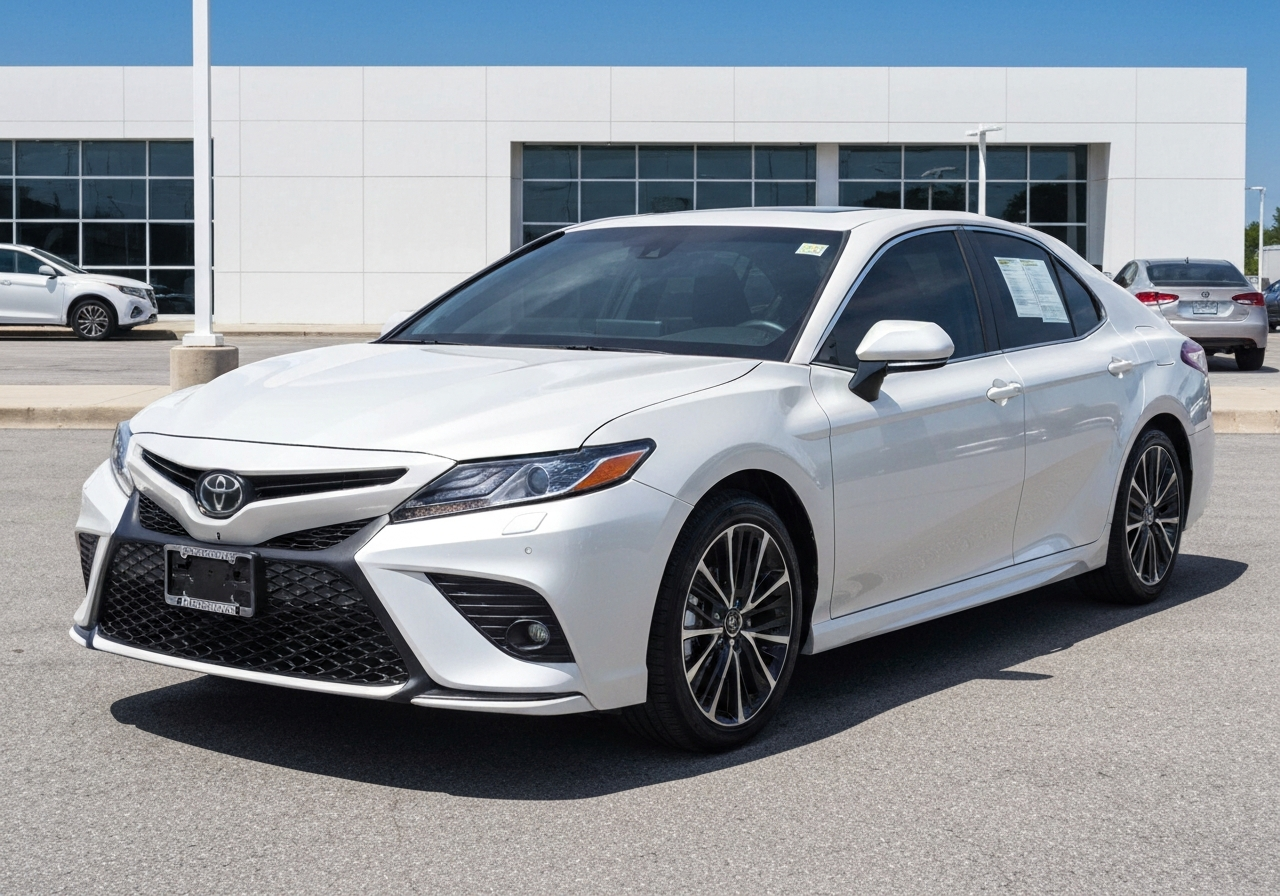
Buying a used car is one of the biggest purchases most people make, and it's easy to feel out of your depth — especially when a seller knows the game better than you do. But the process really isn't complicated once you break it into steps. Follow this order, don't skip the boring parts, and you'll buy a reliable used car at a fair price instead of inheriting someone else's headache. Here's exactly how to do it, from the first dollar to the keys in your hand.
Step 1: Set a realistic total budget — not just a monthly payment
Start with the all-in number you can comfortably spend, then work backward. The single most common trap in car buying is shopping by monthly payment, because a low payment can quietly hide a high price and a long, expensive loan. Decide what you can put down, what total price you're comfortable with, and what monthly figure fits your budget with room to spare.
Then remember the costs beyond the sticker: sales tax, title and registration fees, insurance, fuel, and routine maintenance. A good rule is to leave a cushion so an unexpected repair in the first year won't sink you. Knowing your true ceiling before you shop keeps you calm and immune to upselling.

Step 2: Get pre-approved for financing first
Before you fall for a specific car, line up your money. Getting pre-approved for an auto loan through your bank or credit union does two powerful things: it tells you exactly how much you can borrow and at what rate, and it turns you into a cash buyer in the seller's eyes. That's leverage.
Pre-approval also gives you a benchmark to beat. Dealer financing can sometimes match or beat your bank's rate — but you'll only know if you walk in with an offer in hand. And it keeps the conversation on the price of the car, not on a payment the dealer can stretch to make anything "affordable." Shorter loan terms cost more per month but far less in total interest, so don't let a tempting low payment add years to your loan.
Step 3: Build a realistic shortlist
Now decide what you're actually looking for. Think about your needs — size, seating, fuel economy, all-wheel drive — and pick two or three specific models that fit, rather than keeping your search wide open. A focused shortlist makes everything that follows faster: research, price comparison, and spotting a genuinely good deal when it appears.
Step 4: Research prices and reliability
For each model on your shortlist, learn two things: what it should cost and how reliable it is. Look up the typical selling price for the exact year, trim, and mileage in your area so you have a fair-market anchor. Then research that specific model year for known problems, common complaints, and recalls — reliability can swing hard from one year to the next, and a few minutes of reading can steer you away from a problem year.
Step 5: Find the cars
With your shortlist and target price set, start hunting. Used cars come from franchise dealers, independent lots, manufacturer certified pre-owned programs, online marketplaces, and private sellers — each with its own balance of price and protection. Casting a wide net across several sources at once is how you find the outliers: the well-kept car priced below market because the seller simply needs it gone.

This is the most time-consuming step if you do it alone, scrolling listing after listing. It's also where a service that surfaces vetted, fairly priced deals in your area can save you weeks — and steer you toward cars actually worth your time.
Step 6: Vet the listing and the seller
Before you drive anywhere, screen the car on paper. Ask the seller direct questions: Why are you selling? Are you the original owner? Any accidents or major repairs? Is the title clean and in your name? Then verify their answers with a vehicle history report run by VIN, which reveals reported accidents, title brands (salvage, flood, rebuilt), odometer issues, and ownership history. A clean report isn't a guarantee, but a dirty one ends the conversation. Trust, then verify.
Step 7: Get an independent pre-purchase inspection
If the car still looks good, have it inspected by your own mechanic — not the seller's. For around $100–$200, an independent technician puts the car on a lift and checks the engine, transmission, brakes, suspension, and frame for problems you'd never catch otherwise. It's the best money you'll spend in the whole process. If a seller refuses to allow an inspection, walk away; honest sellers have nothing to hide.
Step 8: Test drive it properly
Drive the car for at least 20 minutes, on a mix of city streets and highway, ideally starting with a cold engine. Listen for unusual noises, feel for vibrations when braking, watch for dashboard warning lights, and confirm every feature works — air conditioning, infotainment, cameras, and all-wheel drive if equipped. The test drive is your chance to find problems before they become yours, so drive like you're trying to.
Buy used, the smart way
We'll send you used-car deals worth pursuing.
Tell us what you're after and we'll match you with hand-picked used-car deals near you — fairly priced and ready to inspect.
Get Used-Car DealsStep 9: Negotiate the out-the-door price
Now you negotiate — calmly and from data. Open below the asking price, backed by the comparable listings and any issues the inspection turned up. Always negotiate the total out-the-door price, including all fees, not the monthly payment. Stay polite but firm, and be genuinely willing to walk away; that willingness is the most powerful tool you have. There is always another car, and the seller knows it.
If you're trading in your old vehicle, negotiate that separately from the purchase price so the numbers stay clear and a "great trade value" can't be quietly clawed back through a higher car price.
Step 10: Close the deal and handle the paperwork
Once you've agreed on a price, get the details right. Confirm the title is clean and properly signed over to you, complete the bill of sale, and handle the registration and any sales tax with your local motor-vehicle authority. Make sure the odometer reading on the paperwork matches the car, and get every promise in writing. Don't hand over final payment until the paperwork is correct and complete.

Step 11: Decline the unnecessary add-ons
If you buy from a dealer, you'll likely face the finance-and-insurance office and a menu of add-ons: extended warranties, paint protection, fabric coatings, gap insurance, and more. Some can have value, but many are high-margin extras you don't need, and they're often negotiable or skippable entirely. Decide in advance what (if anything) you want, and don't get talked into padding the price at the last minute when your guard is down.
Step 12: Sort insurance before you drive away
You'll need active insurance to legally drive your new car home, so arrange a policy before you close. Get quotes on the specific vehicle in advance — insurance costs vary a lot between models, and it's far better to know that number before you buy than to be surprised after. Have proof of coverage ready for the day you take delivery.
Step 13: After you buy
Finish strong. Register and title the car promptly to avoid penalties, and give it a baseline service if the history is unclear — an oil change, fresh fluids, and a look at the brakes and tires. Keep all your paperwork together, including the bill of sale, title, and any records the previous owner provided. Starting your ownership with clean records and fresh maintenance sets you up for years of trouble-free driving.
Private seller vs. dealership: which should you buy from?
Both routes can produce a great deal; they just carry different trade-offs. Private sellers usually offer the lowest prices because there's no dealer overhead, and you can often learn the car's real story straight from the person who drove it. The catch: no warranty, no return, and you handle the paperwork yourself — which is exactly why the history report and independent inspection matter most here.
Dealerships cost a bit more but add convenience and, sometimes, protection: they handle the title and registration paperwork, may offer financing on the spot, and certified pre-owned cars come inspected and warrantied. The downside is the finance office and its upsells. Neither route is automatically better — choose based on how much risk you're comfortable managing yourself versus how much you'll pay for peace of mind.
How to spot a deal that's too good to be true
A price dramatically below market is rarely a gift — it's usually a warning. Sometimes it signals a salvage or rebuilt title, hidden mechanical trouble, or a flood-damaged car cleaned up to look fine. Occasionally it's an outright scam: a "seller" who wants a deposit to "hold" a car they'll never deliver, or who insists on wiring money before you can see the vehicle.
Protect yourself with a few firm rules. Never send money for a car you haven't seen in person. Be wary of sellers who won't talk on the phone, can't meet locally, or pressure you to act immediately. Confirm the name on the title matches the seller's ID. If anything feels off, walk away — the discipline that finds you a real bargain is the same discipline that keeps you out of a trap.
Timing: when to buy for the best price
Timing won't override the fundamentals, but it can nudge a deal in your favor. Sellers and dealerships often work toward monthly, quarterly, and year-end targets, so shopping near the end of the month — and especially the end of the year — can unlock extra flexibility. When new model-year inventory arrives, last year's used stock becomes more negotiable too. And a car that's been listed for a long time points to a motivated seller who may welcome a fair offer. Combine good timing with everything above and you've added free leverage to an already strong position.
The flip side: don't let timing pressure you. A seller's "this price is only good today" is almost always a tactic, not a fact. The right car at a fair price is worth more than a rushed deal on the wrong one, so let patience work in your favor.
Common mistakes to avoid
- Shopping by monthly payment instead of total price.
- Skipping the vehicle history report or the independent inspection.
- Falling in love with the first car you see and overpaying.
- Not getting pre-approved, then accepting whatever financing is offered.
- Letting a trade-in get tangled up with the purchase price.
- Rushing the paperwork or paying before the title is verified.
The bottom line
Buying a used car well isn't about being the toughest negotiator in the room — it's about following a sensible process and refusing to skip the steps that protect you. Set your budget, get pre-approved, research, verify, inspect, test drive, negotiate from data, and close carefully. Do that, and you'll drive away with a reliable car at a fair price and the quiet confidence that you didn't overpay. None of these steps is hard on its own — the discipline is simply in refusing to skip them when a seller is eager and the car looks shiny. And finding the right car to start that process with is the part we can take off your plate.
Start with the right car
Get matched with better used-car deals.
Share your details and we'll send curated used-car deals near you — vetted, fairly priced, and ready for you to inspect and buy with confidence.
Get Used-Car Deals