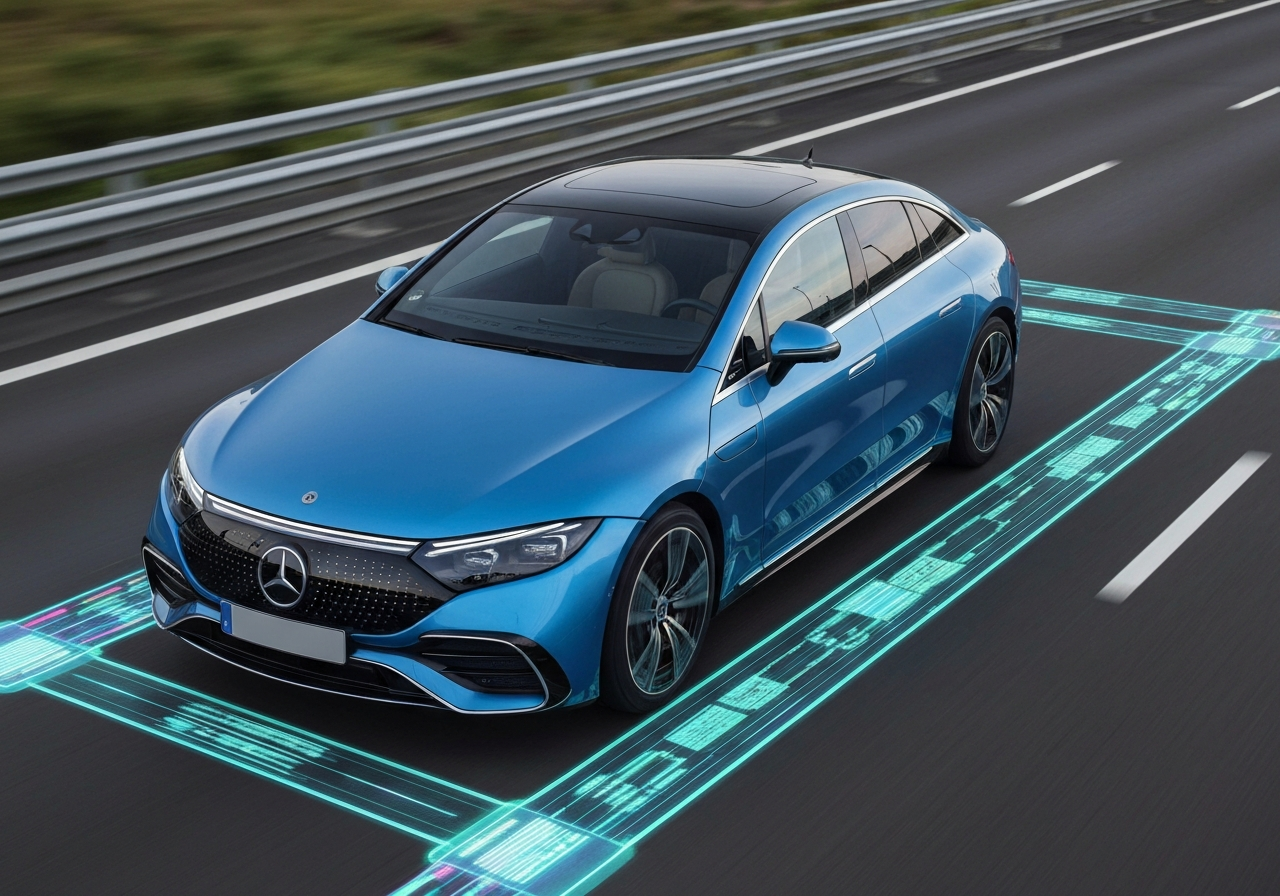
Self-driving cars were science fiction not long ago. Early prototypes struggled to navigate a quiet suburban street; today, driverless taxis pilot busy cities on their own and ordinary cars steer themselves down the highway. But the gap between the marketing and the reality is wide — and understanding where the technology truly stands in 2026 matters whether you're following the future or simply shopping for a used car with good safety tech. Here's an honest tour of how far autonomy has come, and what it means for you.
The six levels of autonomy, explained
The industry measures self-driving capability on a scale defined by the Society of Automotive Engineers (SAE), running from Level 0 to Level 5. Knowing these levels cuts through a lot of confusing marketing.
Level 0 — No automation: the human does everything. Basic warnings (like a blind-spot light) don't count as automation.
Level 1 — Driver assistance: the car can help with either steering or speed, but not both at once — think adaptive cruise control on its own.
Level 2 — Partial automation: the car can control steering and speed together, but you must stay fully attentive and ready to take over instantly. You are still driving.
Level 3 — Conditional automation: under tightly defined conditions the car drives itself and you can take your eyes off the road, but you must be ready to retake control when the car asks.
Level 4 — High automation: the car drives itself with no human needed, but only within specific areas or conditions (a "geofence"). Outside that zone it won't operate.
Level 5 — Full automation: the car drives anywhere, in any conditions, with no human ever required. This does not yet exist.
Where we actually are in 2026
Here's the reality check: in 2026, the vast majority of consumer vehicles on sale operate at Level 2. Despite bold names and bolder promises, the cars you can actually buy still require you to pay attention and stay responsible for the drive. True hands-off, mind-off driving in a car you own remains rare and tightly restricted.
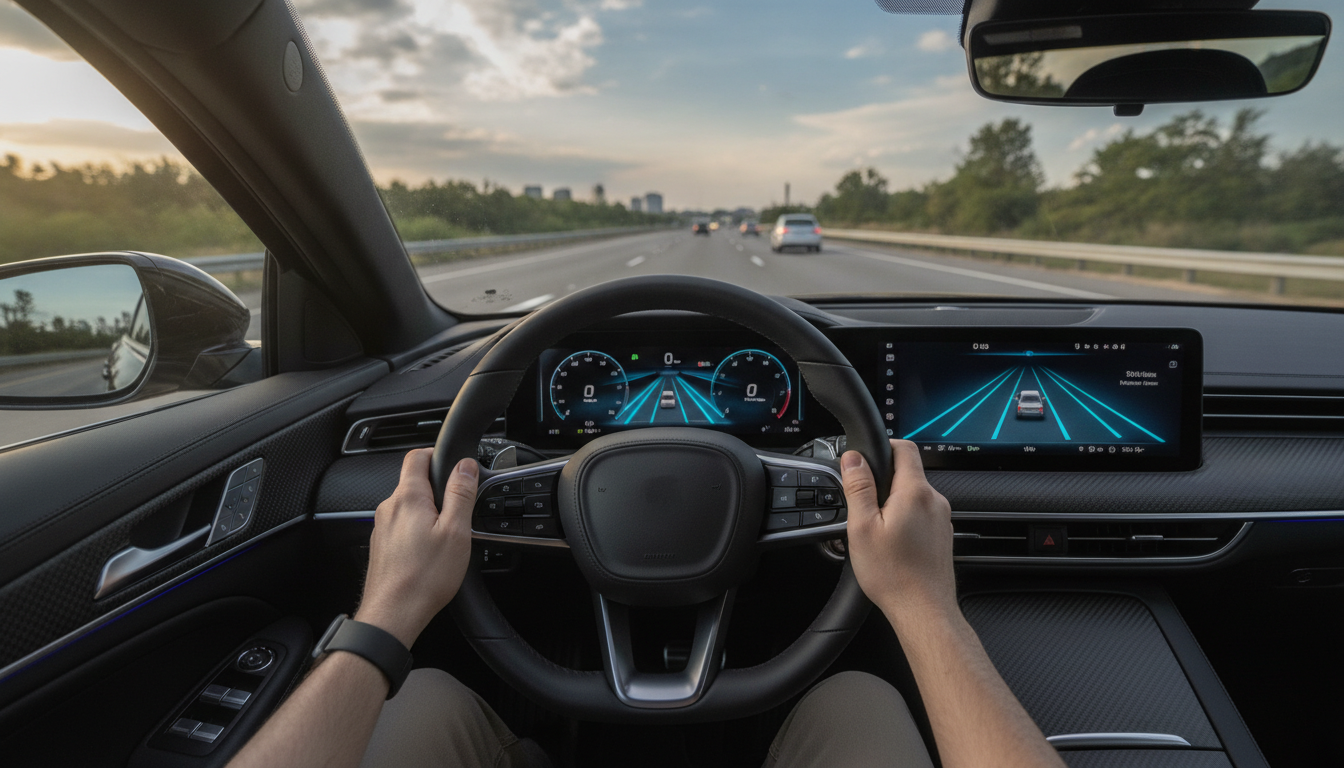
The best of these Level 2 systems — including hands-free highway features like GM's Super Cruise, Ford's BlueCruise, and BMW's Highway Assistant, plus Tesla's Full Self-Driving (Supervised) — are genuinely impressive. On mapped highways, some let you take your hands off the wheel while a driver-facing camera makes sure your eyes stay on the road. But make no mistake: these are advanced driver-assistance systems, not autonomy. If something goes wrong, you are responsible.
Level 3: hands-off, eyes-off — but barely here
Level 3 is a genuine leap, because for the first time the car takes legal responsibility for driving while the system is active. As of 2026, Mercedes-Benz's Drive Pilot is the only Level 3 system certified for consumer use in the United States, and even then only in limited conditions — certain roads, lower speeds, and just a couple of states. It's a real milestone, but it's a long way from being something most drivers can use most of the time. Other automakers have announced Level 3 plans for the coming years, so expect this category to grow slowly.
Level 4: no driver needed — inside the lines
The most advanced self-driving on public roads today isn't a car you buy — it's a robotaxi you summon. Level 4 vehicles drive themselves with no human aboard, but only within carefully mapped service areas. Waymo is the clear leader, operating a growing fleet of driverless taxis across several U.S. cities. Within their zones, these cars handle everything; if they hit a situation they can't manage, they're designed to pull over safely and stop.
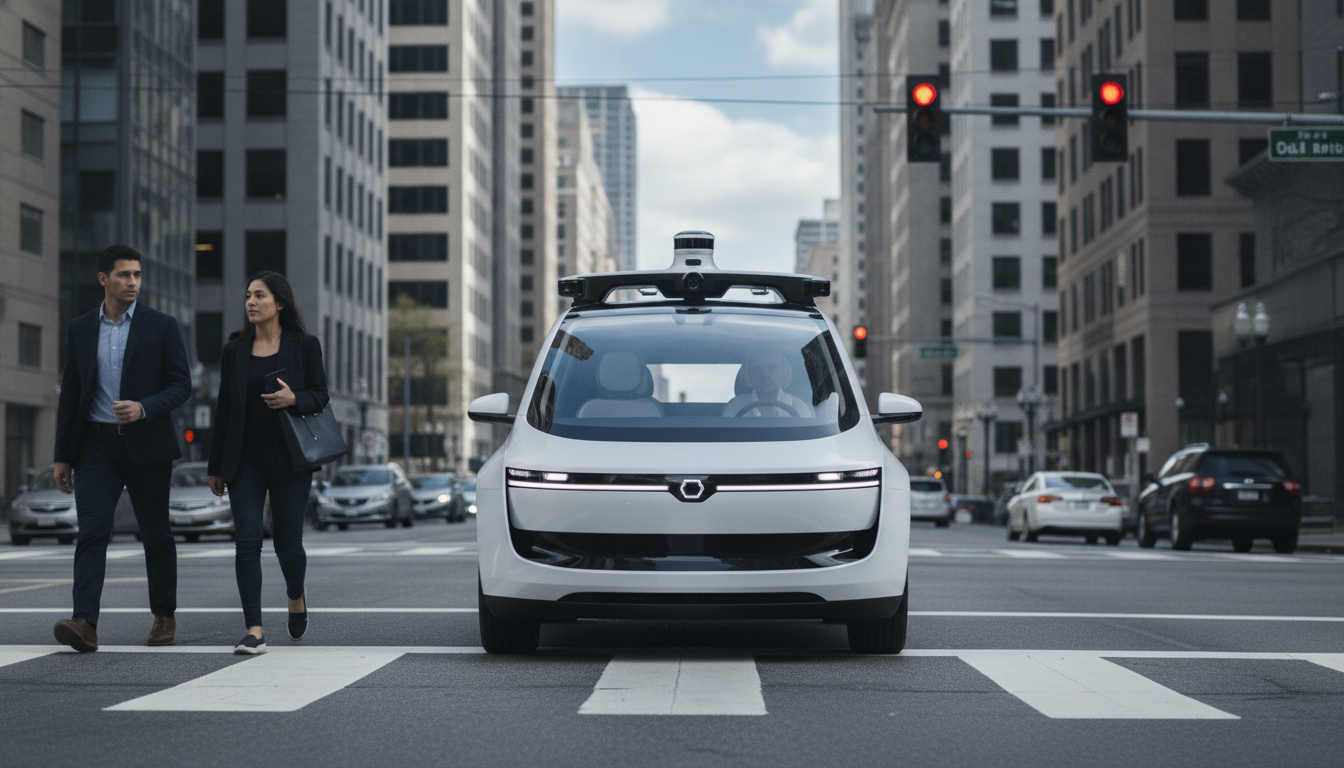
The catch is the geofence. Step outside the mapped area and the car simply doesn't operate there. That's why robotaxis are expanding city by city rather than appearing everywhere at once — each new area takes extensive mapping, testing, and regulatory approval.
Level 5: still science fiction
True Level 5 — a car that can drive anywhere a human can, in any weather, with no controls needed — does not exist, and most experts don't expect it within the decade. The last few percent of real-world driving (chaotic construction zones, unpredictable weather, unusual situations) is fantastically hard to solve reliably. When someone promises a car that drives itself everywhere, treat it as a vision, not a product.
The sensor debate: cameras vs. LiDAR
One of the defining technical arguments in 2026 is how these cars should "see." Most leaders in higher-level autonomy rely on a redundant mix of cameras, radar, and LiDAR (laser-based sensing) to perceive the world reliably, even in fog, rain, or darkness. Tesla is the notable holdout, betting on a camera-only "vision" approach. The outcome of that debate will shape how quickly — and how safely — the technology advances.
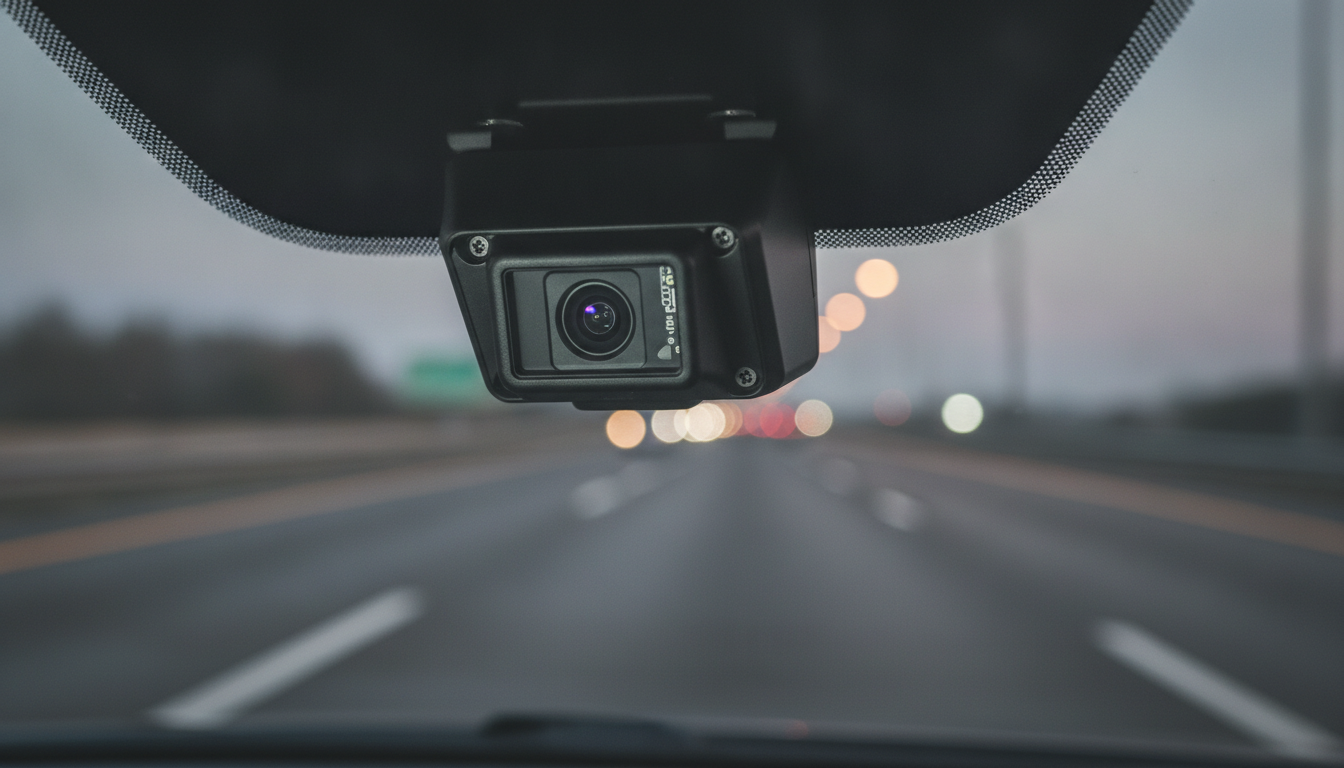
For an everyday buyer, the takeaway is simpler: more and better sensors generally mean more capable safety features. The same hardware that powers self-driving research also powers the automatic emergency braking and blind-spot monitoring that make ordinary cars safer right now.
What this all means for a used-car buyer
Here's the practical part. You can't go buy a self-driving used car — but you can absolutely buy a used car loaded with the driver-assistance technology that grew out of this race. Over the past several years, features that were once luxury options have trickled down to mainstream cars, which means they're now showing up on the used market at affordable prices. That's a genuine win for safety-conscious budget buyers.
Driver-assist features worth looking for on a used car
When you shop used, these are the features genuinely worth seeking out, most of them Level 1 or Level 2 assistance:
- Automatic emergency braking (AEB): can brake for you to prevent or lessen a collision — arguably the single most valuable safety feature.
- Adaptive cruise control: maintains a set distance from the car ahead, a huge stress-reducer in traffic.
- Lane-keeping assist / lane-centering: helps keep you centered in your lane.
- Blind-spot monitoring: warns of vehicles you can't see, especially useful when changing lanes.
- Rear cross-traffic alert and a backup camera: invaluable for backing out of parking spots safely.
- Hands-free highway assist: available on some recent used vehicles for relaxed highway miles — a nice bonus if you find it.
Safer tech, lower price
We'll find used cars with the safety tech you want.
Tell us which features matter to you and we'll send hand-picked used-car deals near you — well-equipped vehicles at prices below the lot.
Get Used-Car DealsHow to confirm the tech actually works
On a used car, never assume the driver-assist features work just because they're listed. During your test drive, try them safely: confirm the adaptive cruise engages and holds a gap, that lane-keeping nudges the wheel, that the blind-spot indicators light up, and that the cameras give a clear, undistorted image. Check the windshield and bumpers for cracked or clouded sensor lenses, and make sure no driver-assist warning lights are illuminated. These systems can be expensive to repair or recalibrate, so verify before you buy.
Understand the limits — and your responsibility
The most important thing to internalize about today's technology is also the most often forgotten: at Level 2 — which covers essentially every consumer car with "self-driving" features — you are the driver, fully responsible at all times. These systems are aids, not chauffeurs. They can fail to see things, disengage unexpectedly, or get confused by faded lane lines and bad weather. Used well, they make driving safer and less tiring. Trusted blindly, they're dangerous. Know exactly what your car's system can and can't do, and stay engaged.
A brief history of getting here
It's worth appreciating how fast this has moved. Two decades ago, autonomous prototypes competing in desert challenges struggled to complete a course without getting stuck or wandering off the road. Within a few years, those same research efforts produced cars that could handle highway driving, then complex city streets. What changed was a convergence of cheaper, better sensors, vastly more computing power, and machine-learning systems trained on enormous amounts of real-world driving data.
That progress is exactly why ordinary cars now ship with features that would have seemed like magic a generation ago. The driver-assistance technology in an affordable used car today is the direct descendant of cutting-edge research — proven, refined, and finally cheap enough for everyone. The frontier keeps advancing, and the trickle-down keeps making mainstream cars safer.
Why the last stretch is the hardest
If cars can already drive themselves in cities, why isn't full autonomy everywhere? Because driving is full of rare, weird, unpredictable moments — the "long tail" of edge cases. A construction worker waving traffic through a closed lane, a couch in the middle of the freeway, a snowstorm that hides the lane lines, a hand signal from another driver. Humans handle these with common sense; computers find them extraordinarily hard. Getting a car to drive well 99% of the time is achievable; getting it to handle the unpredictable final fraction safely, everywhere, is the challenge that keeps Level 5 over the horizon.
The real win today: fewer crashes
Lost in the hype is the genuine, here-and-now benefit of all this technology: it's making driving safer. Features like automatic emergency braking and lane-keeping assist are proven to help prevent or reduce the severity of crashes, many of which are caused by simple human distraction or delay. You don't need a car that drives itself to get safer; you need a car that catches your mistakes. That's precisely what today's driver-assistance systems do — and it's why seeking them out on a used car is one of the smartest, most affordable safety upgrades you can make.
Where it's all heading
The trajectory is clear even if the timeline isn't: driver-assistance features will keep getting better and more common, Level 3 will slowly expand to more cars and conditions, and Level 4 robotaxis will spread city by city. Full, go-anywhere autonomy remains a longer-term dream. For now, the smartest way to benefit from the self-driving revolution isn't to wait for a car that drives itself — it's to buy a used car with the proven safety tech that's already here, and to use it wisely.
Don't pay extra for a promise
One last piece of buying wisdom: be skeptical of paying a premium for autonomy that "will arrive in a future update." Software-unlock features that promise more capability down the road may or may not deliver what's implied, and on a used car that promise gets murkier still — packages don't always transfer cleanly between owners. Pay for the capability the car genuinely has today and that you can verify on your test drive. Treat any future improvement as a bonus, not a reason to spend more. The safe, proven features already on the car are the ones worth your money.
The bottom line
Self-driving technology has come a remarkable distance, but in 2026 the honest picture is this: the cars you can own assist you, they don't replace you. Real autonomy exists, but only as geofenced robotaxis you ride rather than own. The best move for a regular driver is to understand the levels, see past the marketing, and shop for a used car with the driver-assistance features that genuinely improve safety — many of which are now within easy reach on the used market. And finding one of those well-equipped, fairly priced used cars is exactly where we can help.
Modern safety, used-car value
Get matched with better used-car deals.
Share your details and we'll send curated used-car deals near you — packed with the safety features you want, at prices that make sense.
Get Used-Car Deals